

Nail Pops on Your Shingle Roof: What Causes Them in Peachtree City Homes and When They Start Leaking
Small raised bumps on a shingle roof look harmless, but each one is a nail working loose under a shingle.
Schedule a free inspection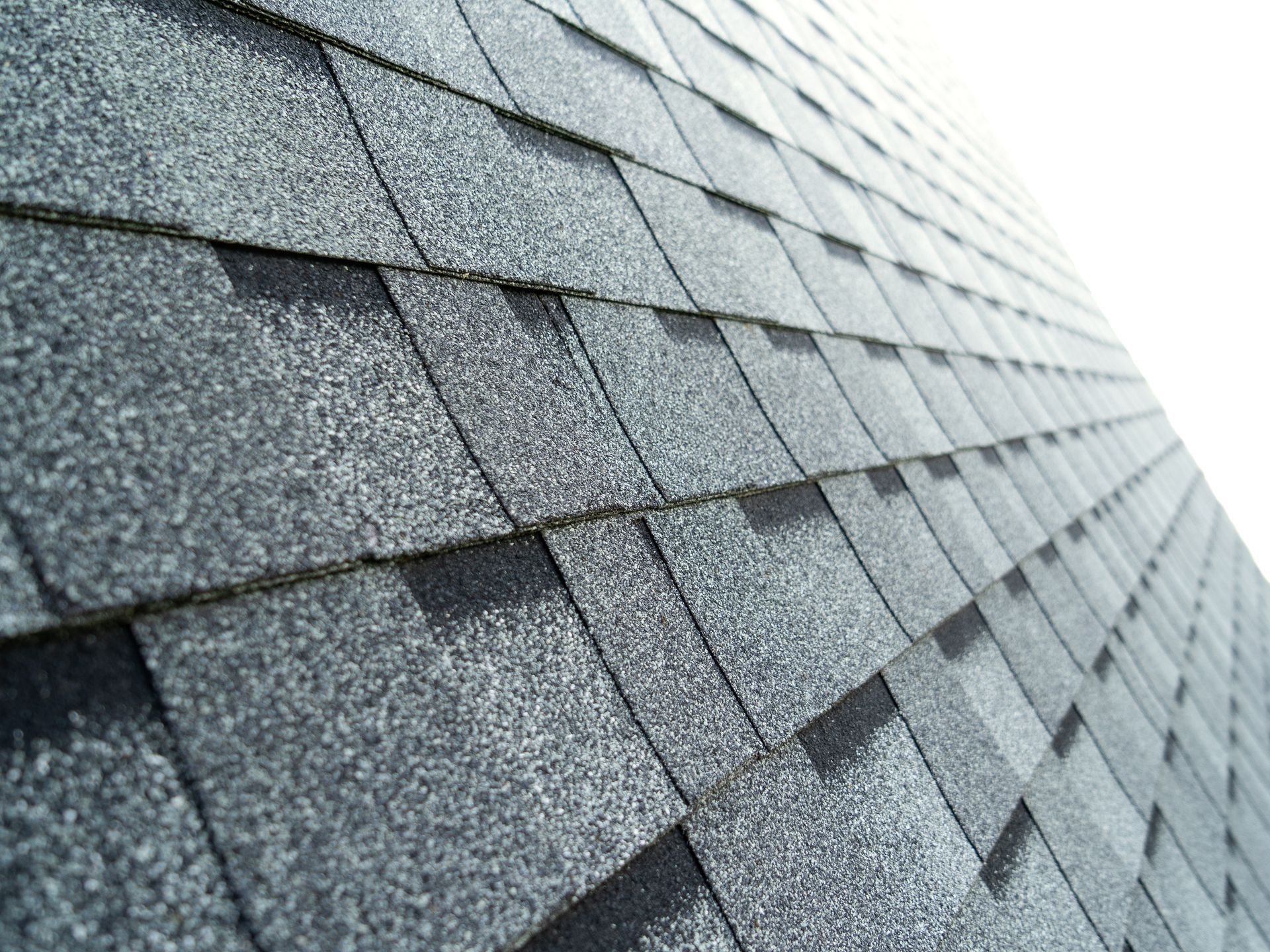
A nail pop happens when a roofing nail works its way up out of the wood deck and pushes against the shingle above it. Most are caused by decking that swells and shrinks with heat and moisture, or by nails that were set wrong at install, and they start leaking once the raised nail head tears the shingle or breaks the seal that keeps wind-driven rain out.
On a Peachtree City roof, you'll usually spot them as small bumps lined up across a slope, easiest to see in low morning or evening light. One or two pops on a newer roof can be a quick roof repair. Dozens spread across every slope say something different about the decking, the attic, or how the roof was nailed.
Timing matters more than the bump itself. A popped nail can sit quietly for a season or two, then let water in during the first storm that drives rain sideways under a lifted tab.
In this guide
What a Nail Pop Looks Like From the Yard and the Attic
Look for small raised spots, about the size of a coin, under the shingles. They often fall in rough lines because each course is nailed along the same band. From the ground, binoculars on a sunny afternoon work best, since each raised spot throws a small shadow.
- A shingle tab that won't lie flat or flutters in the wind
- A small round hole or scuffed spot where a nail head has rubbed through
- A nail head sitting fully exposed on a shingle or ridge cap
- Granules missing in a tight circle around one spot
- Rust streaks running down from a single point
Inside the attic, the clues change. Shine a flashlight along the underside of the roof deck. Dark rings in the wood around nail tips, rusty nail points, or stains that trace back to one nail all mean moisture has reached that nail.
Why Do Nails Back Out of a Shingle Roof?
Nails rarely pop for one reason alone. Two or three of these causes usually stack up on the same roof.
The decking moves with heat and moisture
Plywood and OSB decking (oriented strand board, panels made of pressed wood strands) soak up moisture in humid weather and dry out in the heat. Each cycle swells and shrinks the wood a little, and the nail gets nudged upward a tiny bit every time. Over years, that adds up to a nail head standing proud of the deck.
The nail was set wrong during install
A nail that misses solid wood, goes in crooked, or isn't driven flush has a weak grip from day one. A nail gun set to low pressure can leave nails sitting high, and nails too short for the decking never get a full bite. These problems tend to show up as pops scattered over the whole roof.
The attic is holding damp air
Poor attic airflow lets warm, humid air from the house collect under the roof deck. On cool nights, that moisture condenses on the cold nail tips poking through. The wood around each nail stays damp, softens, and lets go. If you see rusty nail tips across the whole attic, ventilation is the likely root cause, and resetting nails alone won't stop new pops.
Wind and falling limbs
Strong gusts lift shingle tabs and tug on the nails underneath. A limb that lands on the roof can jar nails loose across an area even when the shingles look fine afterward.
When a Popped Nail Starts Letting Water In
A popped nail turns into a leak once it opens a path for water past the shingle. That usually happens one of three ways.
- The nail head rubs through the shingle above. Each time the tab flexes in the wind, the raised head grinds at its underside until it wears a hole, and rain lands right on the nail.
- The shingle seal breaks. Asphalt shingles have a sealant strip that bonds each tab to the course below. A rising nail can break that bond, and wind-driven rain blows under the loose tab.
- Water follows the nail shank. Once water reaches the nail, it runs down the shank into the decking, the same way it would follow a screw through a board.
Early leaks from nail pops are small and slow. A stain on the attic decking usually shows up long before anything appears on the ceiling, so a quick look from the pull-down stairs after a hard rain is worth it. A ceiling spot that appears after a windy storm, but not after calm rain, often points to a lifted tab or broken seal.
Waiting makes it worse. The wood around a wet nail softens, soft wood holds nails even more poorly, and one pop slowly becomes a cluster.
Nail Pop or Something Else?
Several roof problems look alike from the ground. A few differences help sort them out.
- Hail bruise: a dented, soft spot with granules knocked off, scattered at random and often on the side facing the storm. A nail pop is a raised bump, not a dent.
- Shingle blister: a bubble in the shingle surface itself, common on sun-baked slopes. Blisters don't line up with nail rows.
- Lifted tab: the whole tab edge curls or flaps. A nail pop can cause it, but wind alone can too.
- Raised decking seam: a long, straight ridge where two deck panels meet and have swollen. That points to decking or ventilation trouble rather than single nails.
If the bumps follow nail lines and you see rusty nail tips in the attic, nail pops are the likely answer. Skip the ladder, though. Walking a shingle roof scuffs granules and is a real fall risk, so leave the up-close look to a professional roof inspection.
How Bald Eagle Roofs & Exteriors Handles Popped Nails
Bald Eagle Roofs & Exteriors offers free roof inspections, which matters because the right fix depends on why the nails popped. A handful of pops on a healthy roof can be fixed by pulling the old nail, setting a new one in solid wood, and replacing any torn shingle. Pops across every slope may point to decking or attic airflow problems that new nails won't solve.
When the answer isn't a quick fix, you get good, better, and best options to compare, from a targeted repair to a larger section or a full replacement. You pick based on the roof's age and your budget, with no push to go bigger than the roof needs.
Installation work also comes with a 5-year workmanship warranty. Since so many nail pops trace back to how a roof was nailed, it's a fair thing to ask any roofer about before work starts.
What Local Weather Does to Roof Nails
Peachtree City gets the long, humid summers common to this part of Georgia, and that steady moisture keeps roof decking swelling and drying all season. Winters bring cool nights between mild afternoons, which is when attic condensation on nail tips is most common. Summer swelling and winter condensation together make exactly the cycle that walks nails upward.
Many neighborhoods sit under mature pines and hardwoods. Shade keeps some roofs damp longer after rain, and pine straw packed into valleys holds moisture against the shingles. Limbs that drop in spring thunderstorms can loosen nails across a slope without breaking a single shingle.
Homes in Peachtree City range from houses built in the community's early decades to newer subdivisions. On older houses, decking that has been through more than one reroof can be riddled with old nail holes, which leaves new nails less solid wood to grip.
Getting Popped Nails Fixed Before They Leak
If you've noticed raised bumps on the roof or rusty nail tips in the attic, have them checked before the next stretch of windy rain. Around Peachtree City, Bald Eagle Roofs & Exteriors will count the popped nails, find out why they're rising, and give you repair options to compare. Call (706) 803-2253 or request a free inspection, and mention where you've seen the bumps so the visit starts in the right place.
Nail Pop Questions Homeowners Ask
Can I just hammer a popped nail back down?
Hammering it back rarely lasts. The nail rose because the hole around it lost its grip, so it tends to work loose again. Hammering on shingles can also crack brittle tabs, especially on cold days or older roofs. The usual fix is to pull the nail, drive a new one into solid wood nearby, seal the old hole, and replace any shingle the head has damaged.
Are nail pops covered by a shingle manufacturer warranty?
Usually not. A shingle manufacturer warranty generally covers defects in the shingles themselves, while nail pops come from the decking, attic conditions, or how the nails were installed. Installation problems fall under a contractor's workmanship coverage if the roof is still within that period. Your original paperwork will show what applies and for how long.
Do nail pops mean I need a new roof?
Not by themselves. A few pops on a roof that's otherwise in good shape are a routine repair. A roof may be nearing replacement when pops show up on every slope along with curling, heavy granule loss, or soft decking. The age of the shingles and the condition of the wood underneath matter far more than the number of bumps.
Why do new nail pops keep showing up after a repair?
When the root cause wasn't fixed, new pops keep appearing. Poor attic ventilation is a common reason, since moisture keeps loosening nails across the whole deck. Decking that was damp when installed, or nails too short for the roof, can also keep causing them. Resetting individual nails treats the symptom, while the attic or nailing issue keeps creating more.
Is it safe to check for nail pops myself?
From the ground and the attic, yes. Use binoculars on a bright day and scan along the shingle rows for small bumps or shadows. In the attic, stay on the joists and check the decking with a flashlight for rusty nail tips or stains. Stay off the roof itself, since walking on shingles is a fall risk and can scuff granules or loosen more tabs.
How fast does a nail pop become a leak?
There's no set timeline. Some popped nails sit for years without letting water in, while others wear through the shingle above within a season or two of windy weather. The ones most likely to leak have already broken the shingle seal or rubbed a hole in the tab. A stain in the attic around one nail means water is already reaching the wood.
Spotted Raised Shingles Up There?
A free inspection shows whether those bumps are popped nails, how many there are, and whether any have already let water reach the decking. Call (706) 803-2253 or contact us online.
Schedule a free inspection