Emergency Roof Replacement in Opelika: What to Do After Severe Storm Damage
Emergency Roof Replacement in Opelika: What to Do After Severe Storm Damage
When a severe storm system rolls through Lee County, the aftermath can leave homeowners in a state of shock, especially if a fallen tree or high winds have compromised your roof. In Opelika, AL, our weather can turn from calm to chaotic in minutes, leaving little time to prepare for structural failure.
An emergency roof situation is fundamentally different from a planned upgrade: it is a race against time to prevent water from destroying your home’s interior, electrical systems, and personal belongings. Whether you are dealing with a massive leak or visible structural collapse, knowing the exact steps to take can minimize damage and speed up the recovery process.
Identifying a Roofing Emergency
Not every leak constitutes an emergency, but certain signs indicate that your home is no longer safe or protected. Understanding the difference helps you prioritize your family's safety. A roofing emergency typically involves:
- Structural Sagging: If the ridgeline of your roof appears to be dipping or the ceiling inside is bowing, the structural integrity of the decking or rafters may be compromised.
- Large Scale Shingle Loss: High winds can strip away entire sections of roofing. Without shingles or underlayment, your home is completely exposed to the next rainfall.
- Invisible Damage: Even if you do not see missing shingles, you should learn How to Spot Hail Damage, as bruised asphalt can lead to a "silent" failure during the next humid Alabama afternoon.
- Tree Impact: A fallen limb or tree that has punctured the roof deck is an immediate emergency that requires professional stabilization.
- Rapid Interior Flooding: If water is pouring into your living space rather than just dripping, you are facing a crisis that could lead to immediate mold growth and electrical hazards.
Immediate Steps for Homeowner Safety
In the moments following a major roofing failure, your first priority must be safety. It is tempting to grab a ladder and check the damage yourself, but this is often the most dangerous choice you can make.
- Evacuate if Necessary: If a tree has hit your home or if you hear cracking sounds from the attic, evacuate immediately. Structural damage can be unpredictable, and the weight of a saturated roof can cause a secondary collapse.
- Avoid the Roof During a Storm: Never attempt to climb onto your roof while it is raining or while winds are still high. Wet roofing materials are incredibly slippery, and a compromised structure may not support your weight.
- Turn Off Power to Affected Areas: If water is leaking near light fixtures, outlets, or your electrical panel, shut off the main power breaker. Water and electricity are a lethal combination.
The Temporary Mitigation Process
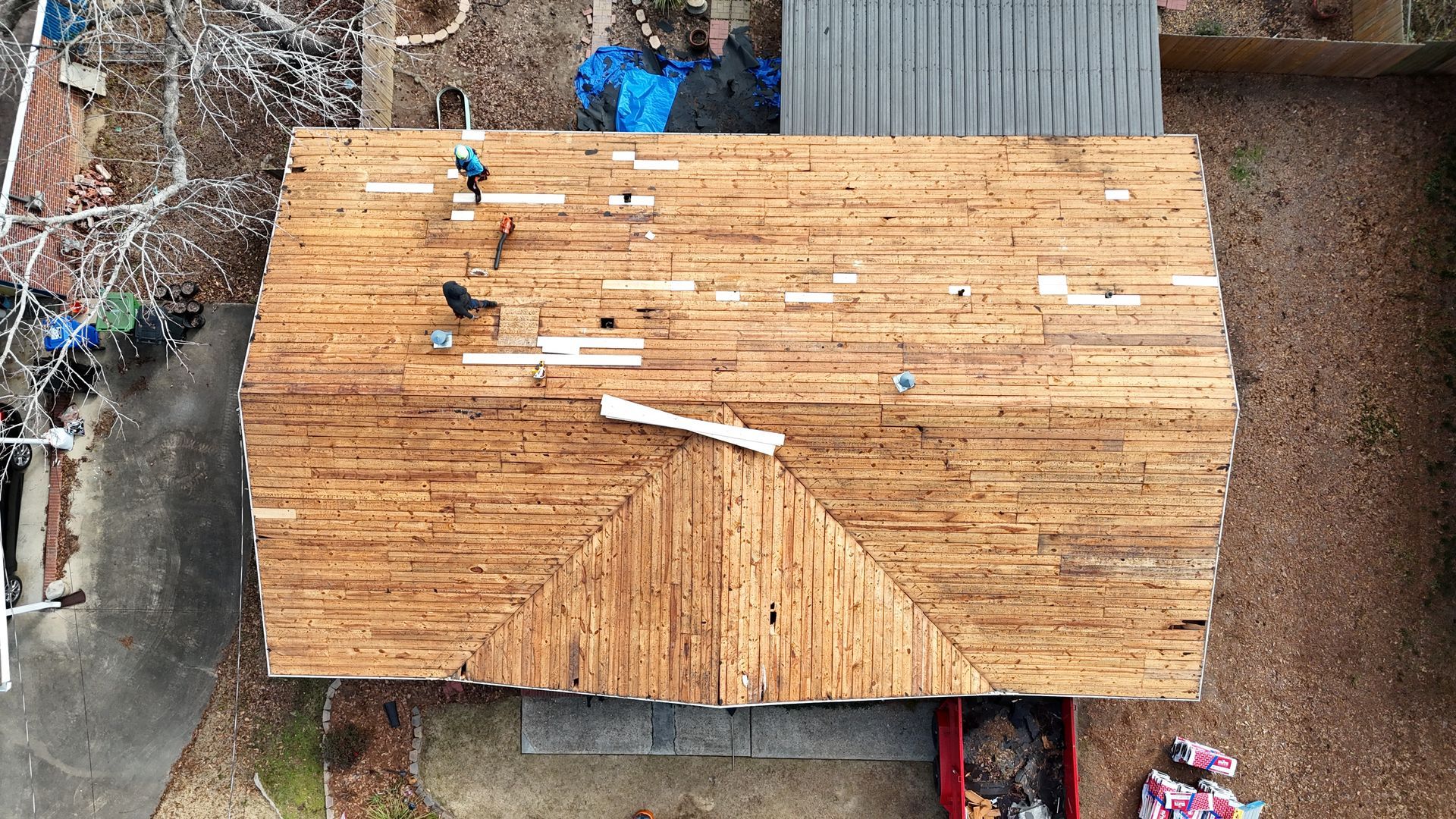
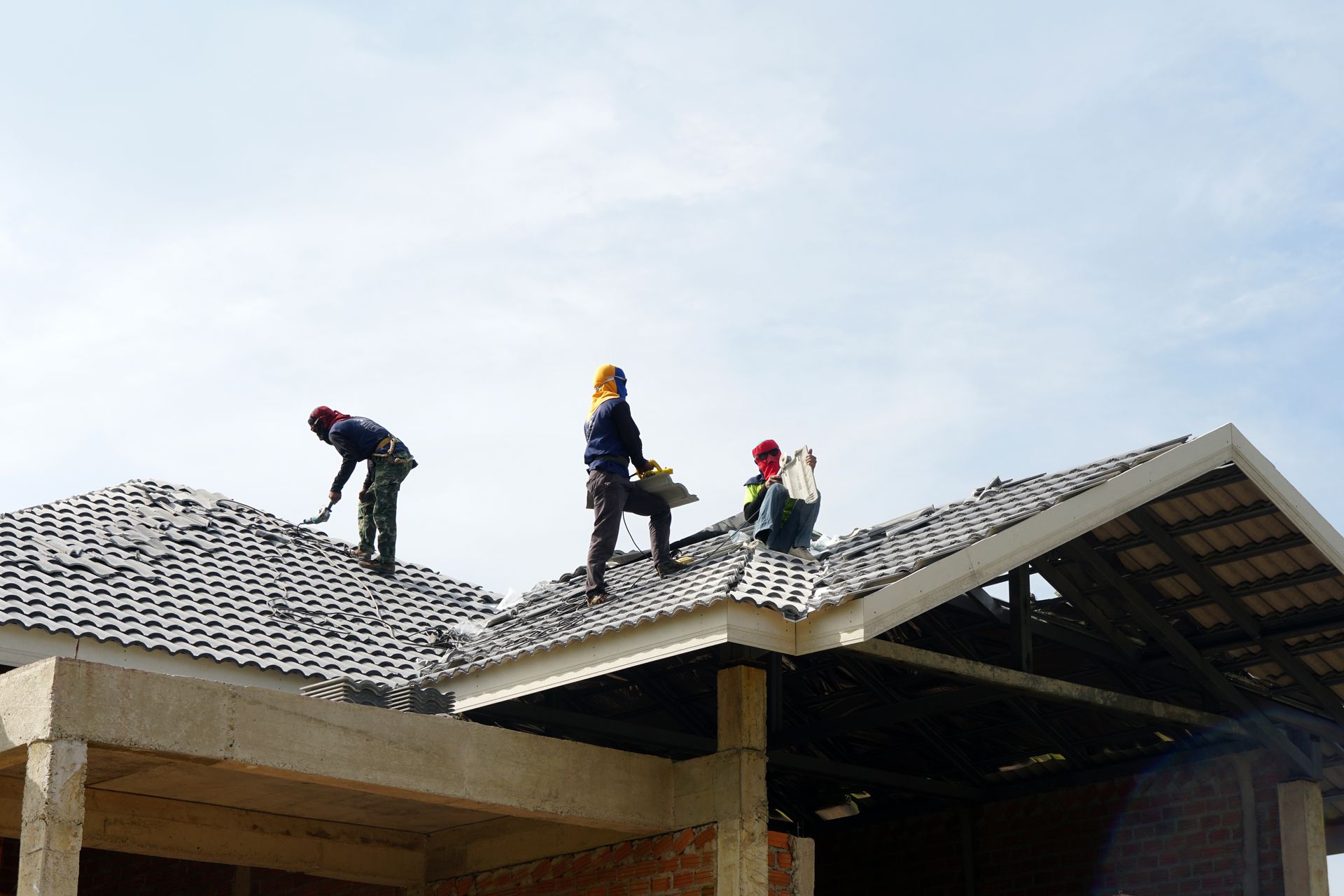
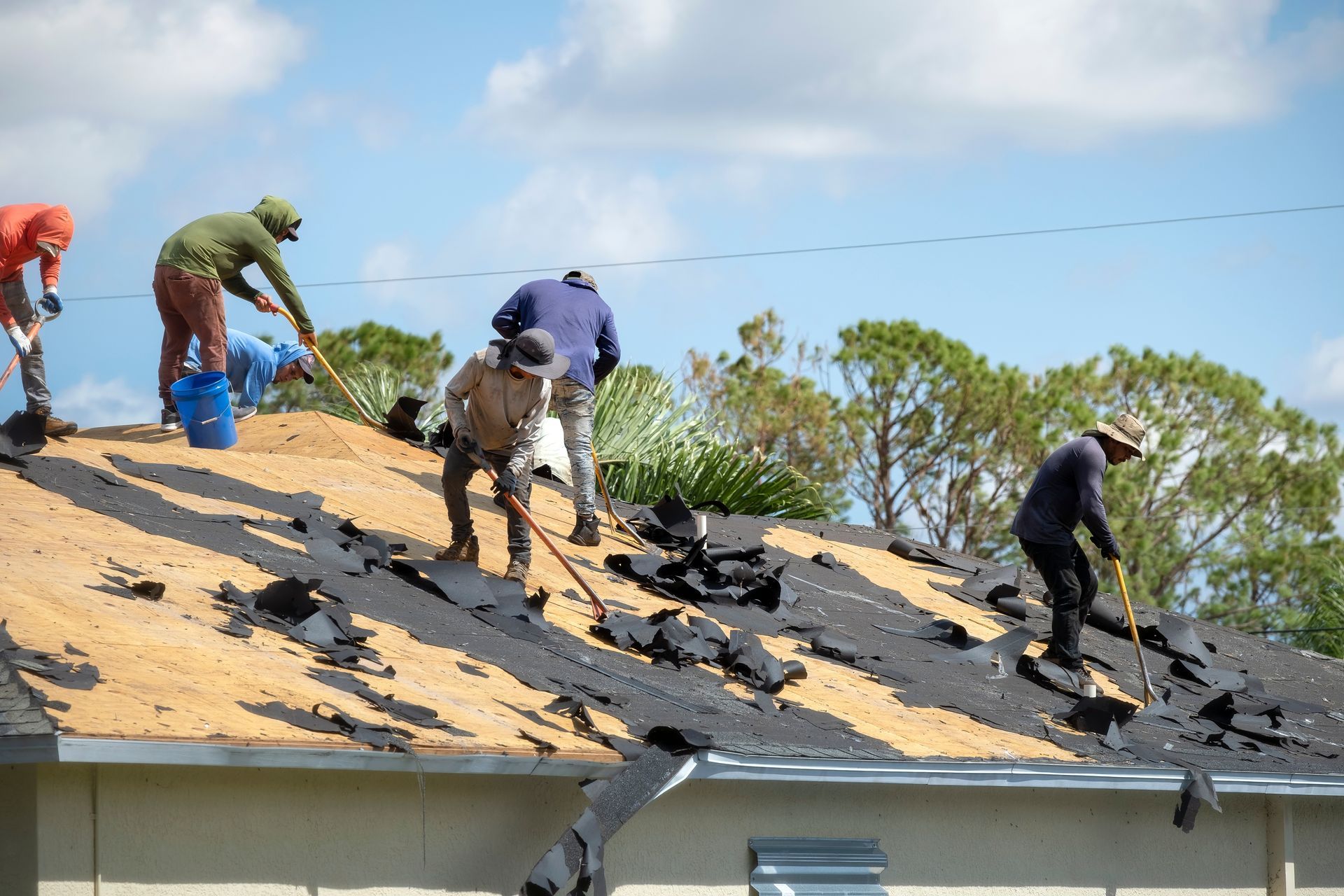
Once the weather has cleared and it is safe to move around the exterior of your home, the goal shifts to mitigation. This means taking temporary steps to prevent the damage from getting worse before a full <u>[Roof Replacement]</u> can begin.
Emergency Tarping
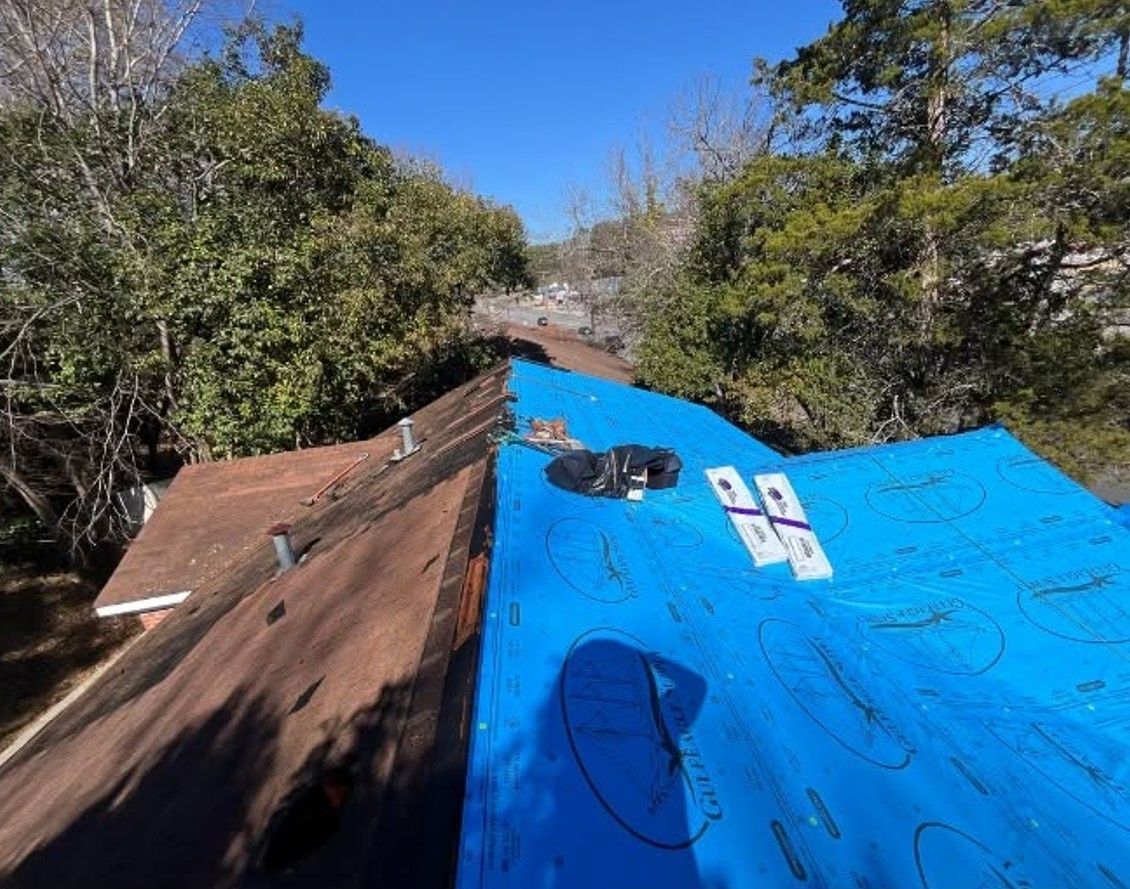
A professional roofing crew will typically start by tarping the damaged area. This involves using heavy duty, UV resistant tarps secured with wooden strips to create a watertight seal over the holes or missing shingles. This is a critical step for insurance compliance, as most policies require homeowners to take reasonable action to prevent "consequential damage."
Water Extraction
Inside the home, you should place buckets under active leaks and move furniture out of the way. If carpet or drywall has become saturated, a restoration team may need to be called in alongside the roofers to begin the drying process.
Navigating the Insurance Claim in Opelika
Most emergency roof replacements in Alabama are the result of "Acts of God," such as hail, wind, or fallen trees. This means the cost is often covered by homeowners insurance.
- Document Everything: Before any debris is cleared, take clear photos and videos of the damage from the ground. Include shots of the roof, fallen trees, and any interior water damage to ceilings and walls. These records are the backbone of your insurance claim.
- Contact Your Carrier: Call your insurance agent as soon as possible to start the claim. In 2026, adjusters can become backlogged quickly after widespread Lee County storms.
- The Adjuster Meeting: It is highly beneficial to have your roofing contractor present. A professional roofer can point out technical damage that an adjuster might overlook, ensuring that the scope of work covers a full replacement. You can learn more about this on our Storm Damage Repair service page.
2026 Replacement Standards and Costs
When you are forced into an emergency replacement, you have an opportunity to upgrade your home’s defense. Modern roofing standards in 2026 have improved significantly:
- Impact Resistant Shingles: Consider Class 4 shingles that are designed to withstand hail and high winds, potentially lowering your insurance premiums.
- Synthetic Underlayment: Unlike traditional felt paper, synthetic underlayment is tear resistant and provides a much better secondary water barrier.
- Enhanced Ventilation: Use the replacement as a chance to improve attic airflow, which is vital for surviving Alabama summers without soaring cooling costs.
A full roof replacement in Opelika can range significantly based on square footage and material choice, but for most standard homes, costs fall between $8,000 and $15,000. Because this is an emergency, the focus is often on the insurance deductible.
When to Call a Professional
If you can see daylight through your attic ceiling, if your shingles are scattered across your lawn, or if water is actively entering your home, you must call a professional immediately. Attempting to DIY a temporary fix during an emergency often leads to more damage or personal injury.
Bald Eagle Roof & Exteriors specializes in rapid response for Lee County homeowners. We work directly with your insurance to ensure the replacement process is as seamless as possible, restoring the safety and value of your home.
Contact our Emergency Team today for a rapid response and a professional, diagnostic inspection of your storm damage.
Quick Answers for Opelika Homeowners (FAQ)
Is a leaking roof considered a home emergency?
A small drip might not be an emergency, but if water is entering your home in multiple places or if a large section of shingles is missing, it is a crisis. Left unaddressed, even small leaks can quickly lead to structural rot and mold, especially in the humid Opelika climate.
How long does an emergency roof replacement take?
Once the insurance claim is approved and materials are on site, the actual tear off and replacement usually takes one to three days. However, the temporary tarping and stabilization happen much faster, usually within hours of your call.
What should I do if a tree falls on my roof?
First, evacuate the home to ensure everyone is safe. Once outside, call your insurance company and a professional roofing contractor. Do not attempt to remove the tree yourself, as the trunk may be holding up a portion of the roof that could collapse once the weight shifts.
Can you replace a roof in the rain?
A full replacement cannot be performed during active rain because the interior of the home would be exposed. However, emergency crews can perform tarping during breaks in the weather to provide a temporary seal until dry conditions allow for the full installation.