Roof Installation Service in Columbus, GA | Bald Eagle Roof
New Roof vs. Re-Roofing: Which Installation is Best for Your Columbus Home?
For many homeowners in Columbus, Georgia, the realization that their roof is reaching the end of its functional life usually arrives during a heavy spring thunderstorm or a humid summer afternoon. When leaks start or shingles begin to curl, the immediate concern is often the price tag. However, before you choose a color or a brand, you must make a foundational decision: Should you opt for a full new roof installation (tear-off) or a re-roofing (overlay)?
This choice is particularly significant in the Chattahoochee Valley, where high humidity and intense heat can drastically affect how materials age. While an overlay might seem like a shortcut to a lower price, it carries specific risks that could compromise your home’s structural integrity. Understanding the technical differences is essential for any Columbus resident looking to protect their property for the long haul.
Defining the Methods: Tear-Off vs. Overlay
To make an informed choice, let’s clarify exactly what each process entails and how they differ in execution:
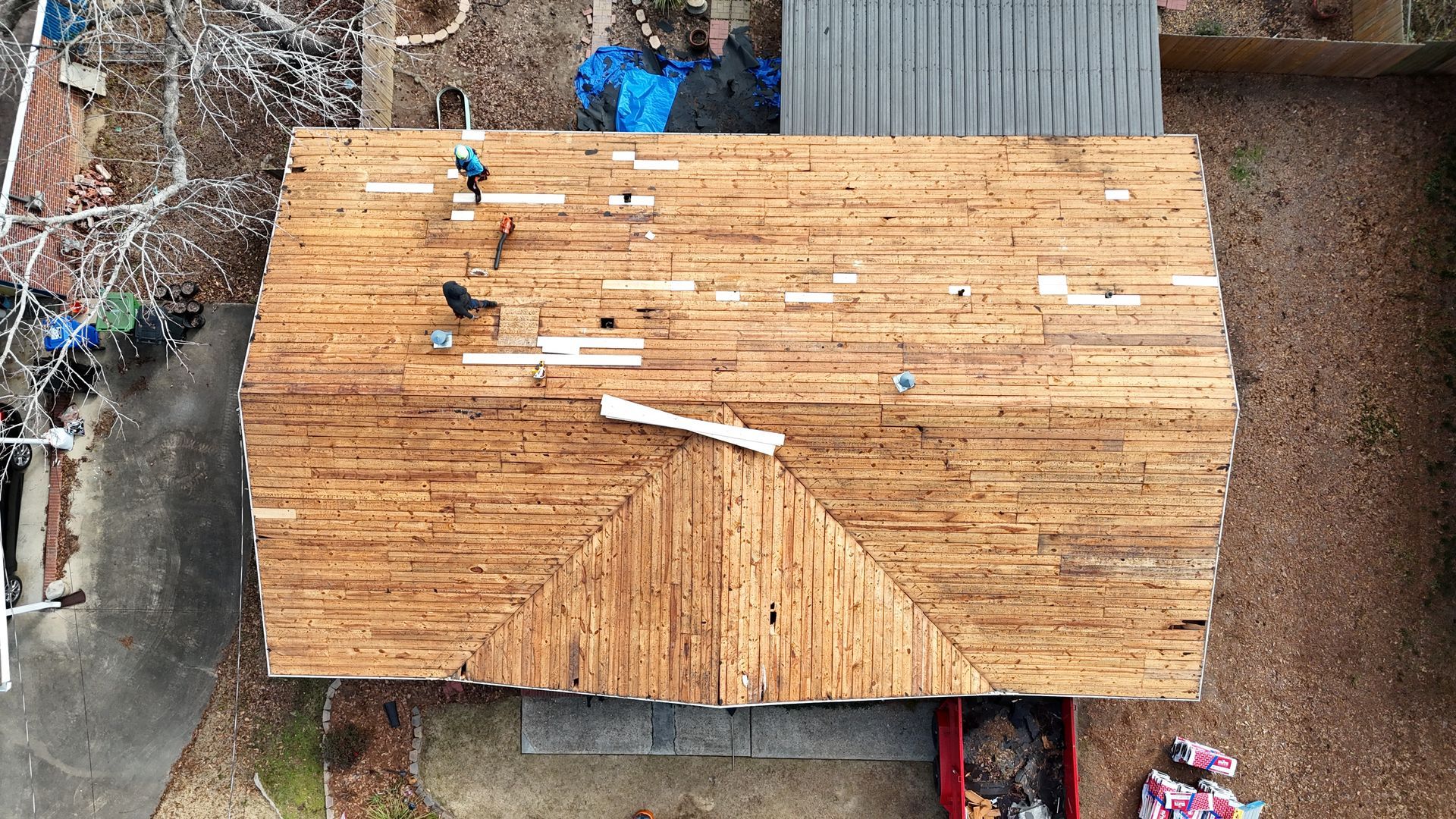
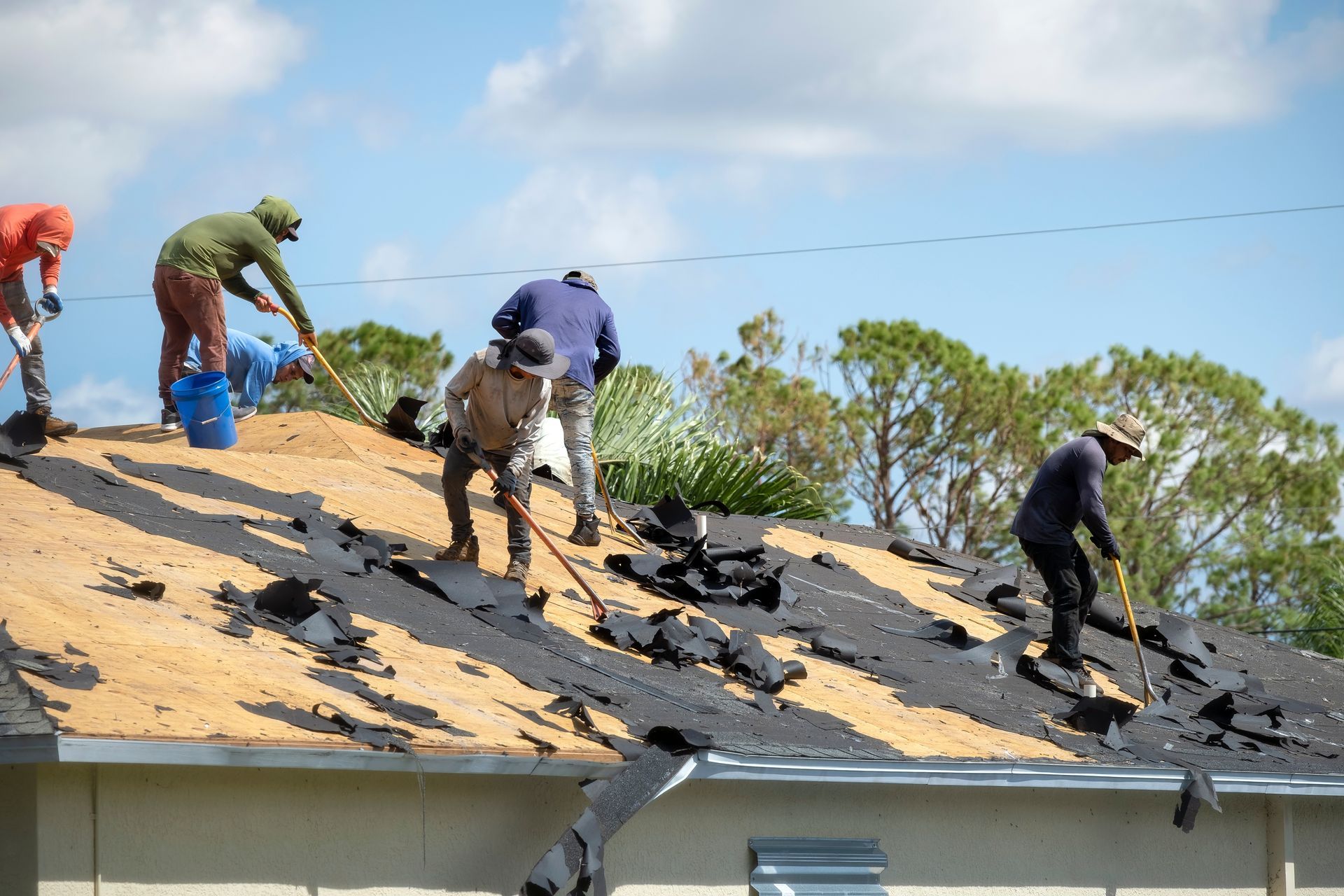
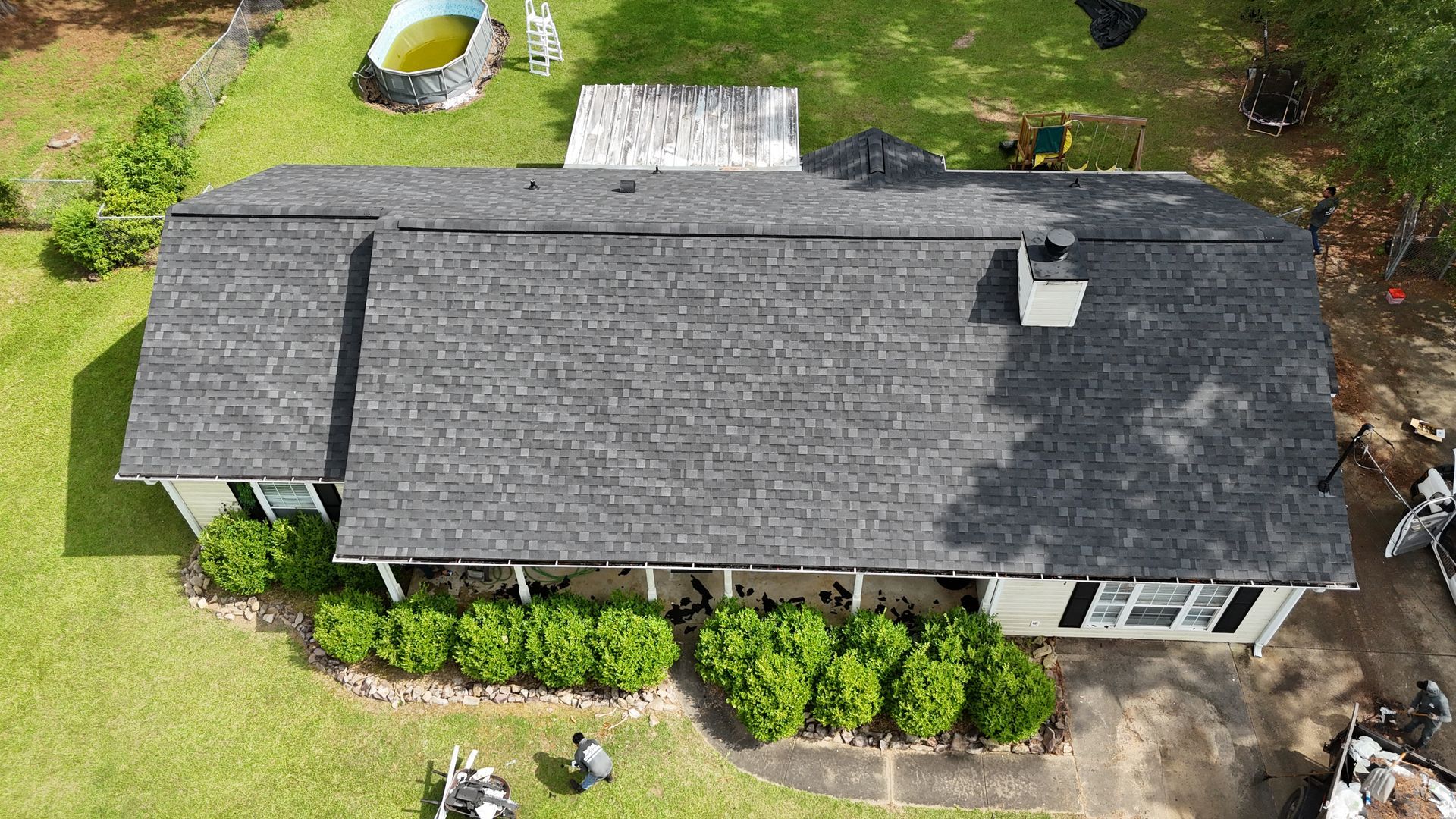
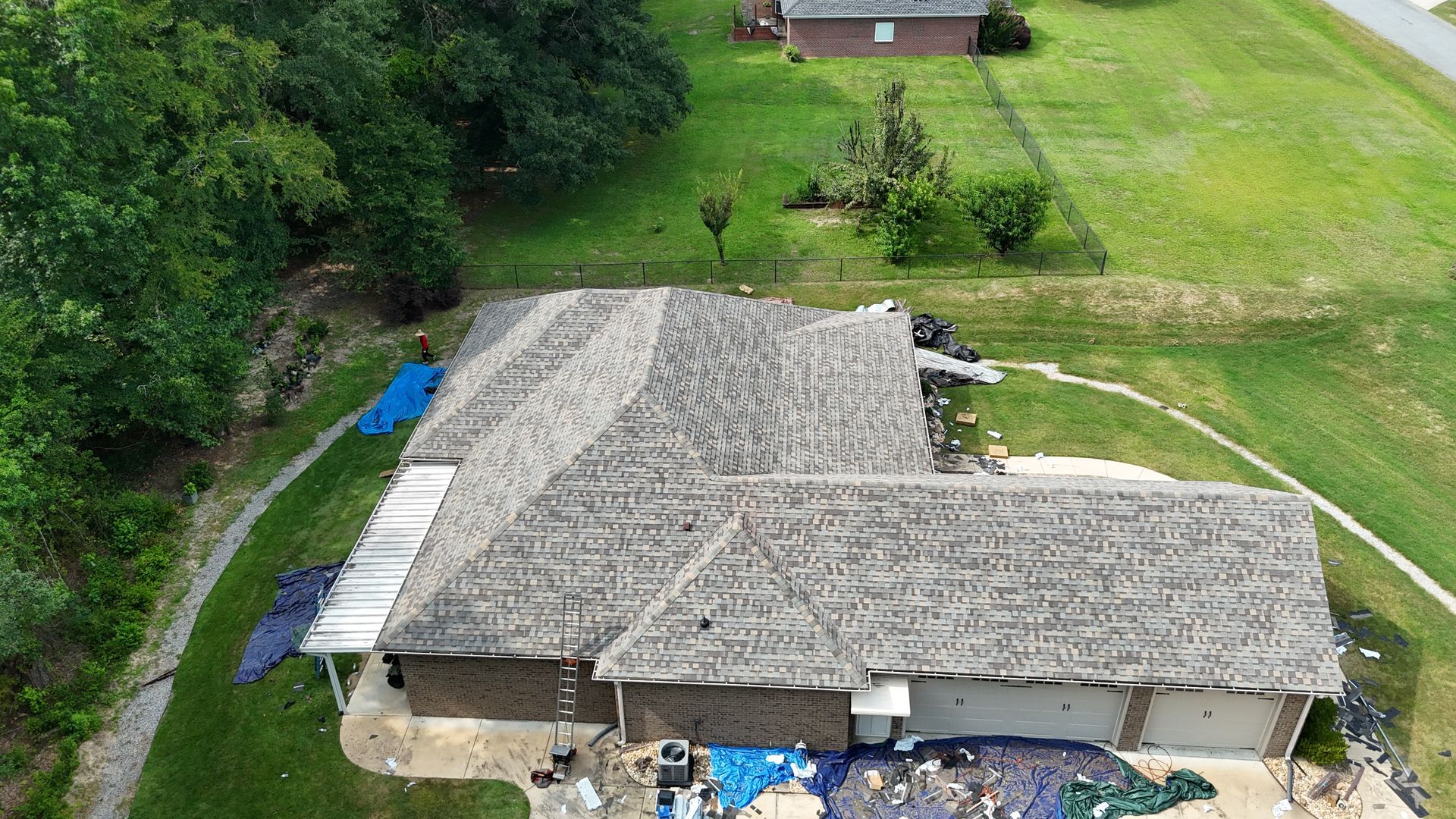
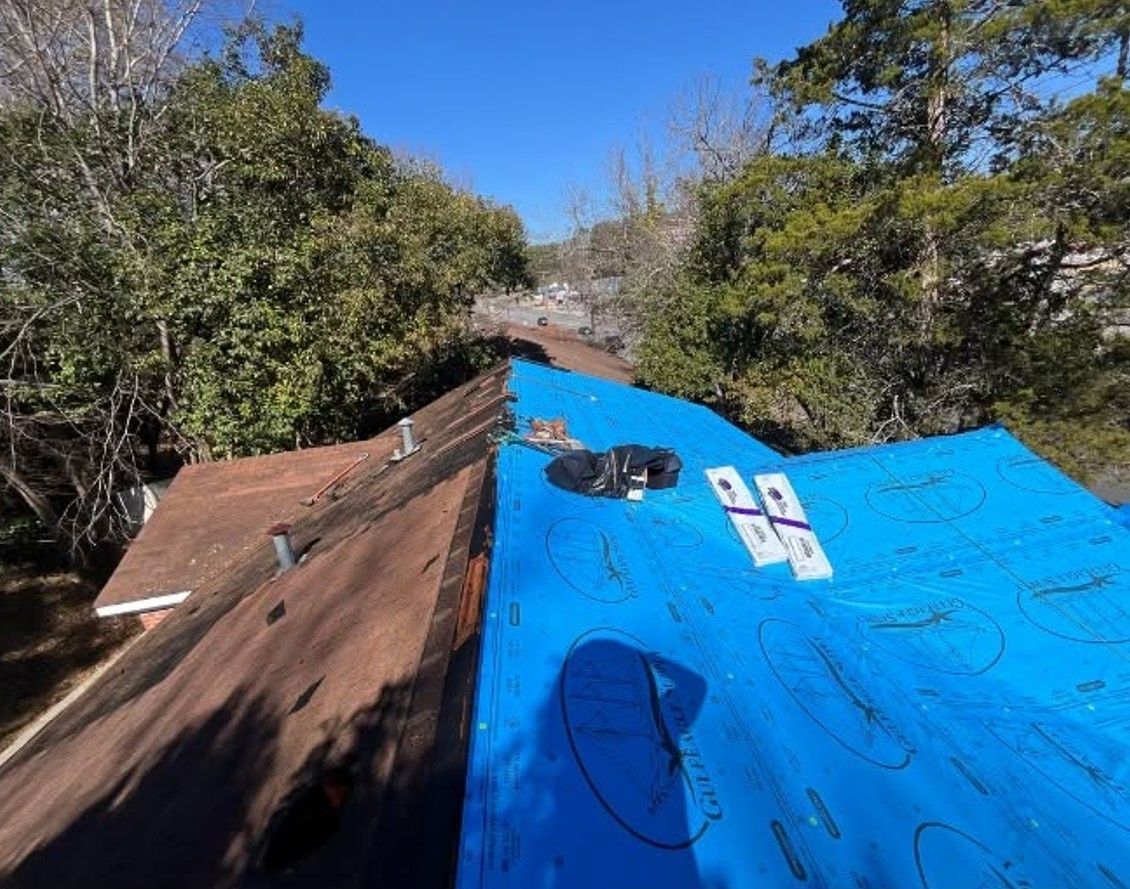
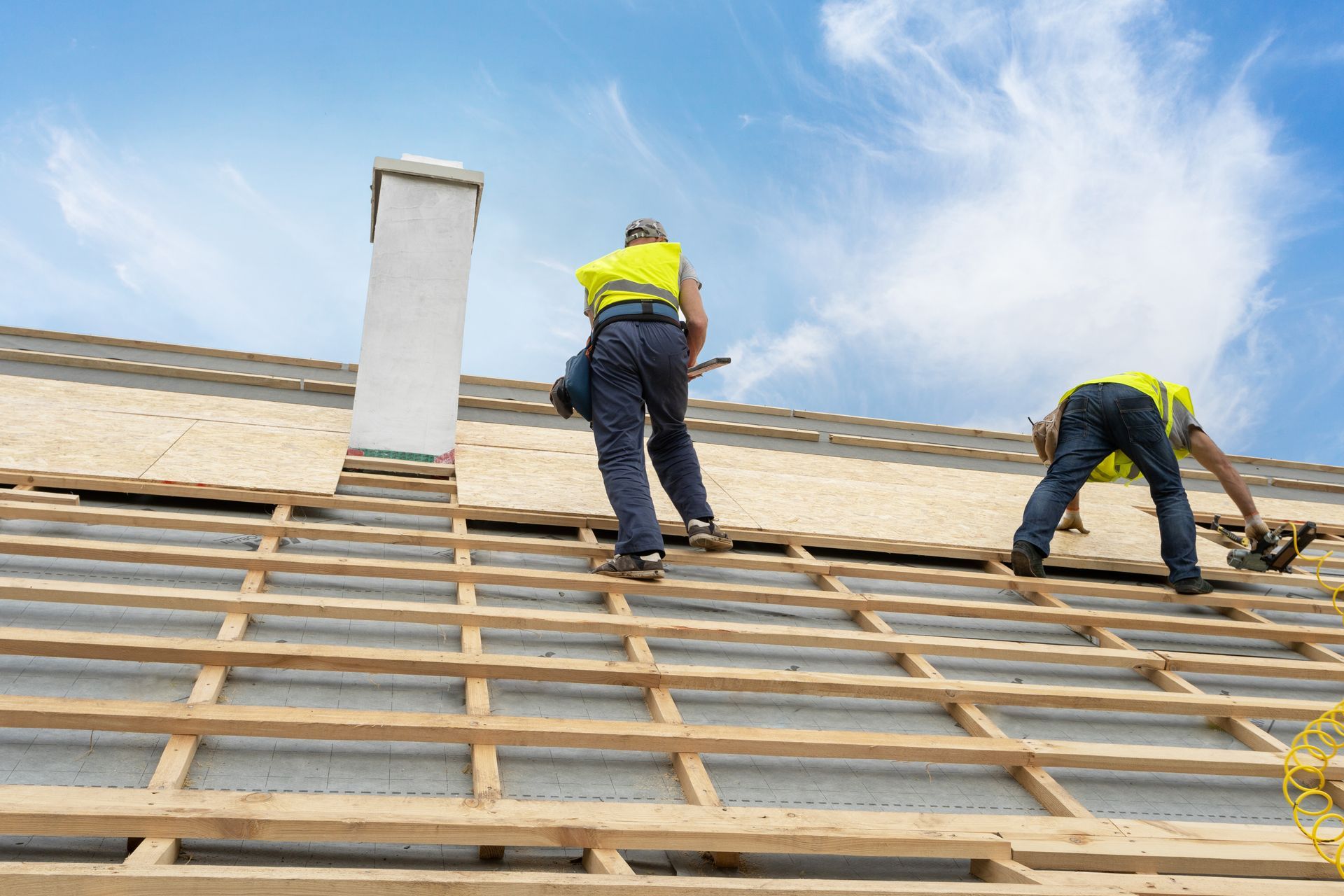
- Full New Roof Installation (Tear-Off): In a full installation, every layer of the existing roofing system is removed down to the wooden roof deck (the sheathing). This allows the contractor to inspect the wood for rot, mold, or structural damage. Once the deck is cleared and repaired, new high-performance underlayment, flashing, and shingles are installed.
- The Bottom Line: It provides a 100% "reset" of the roof’s lifespan.
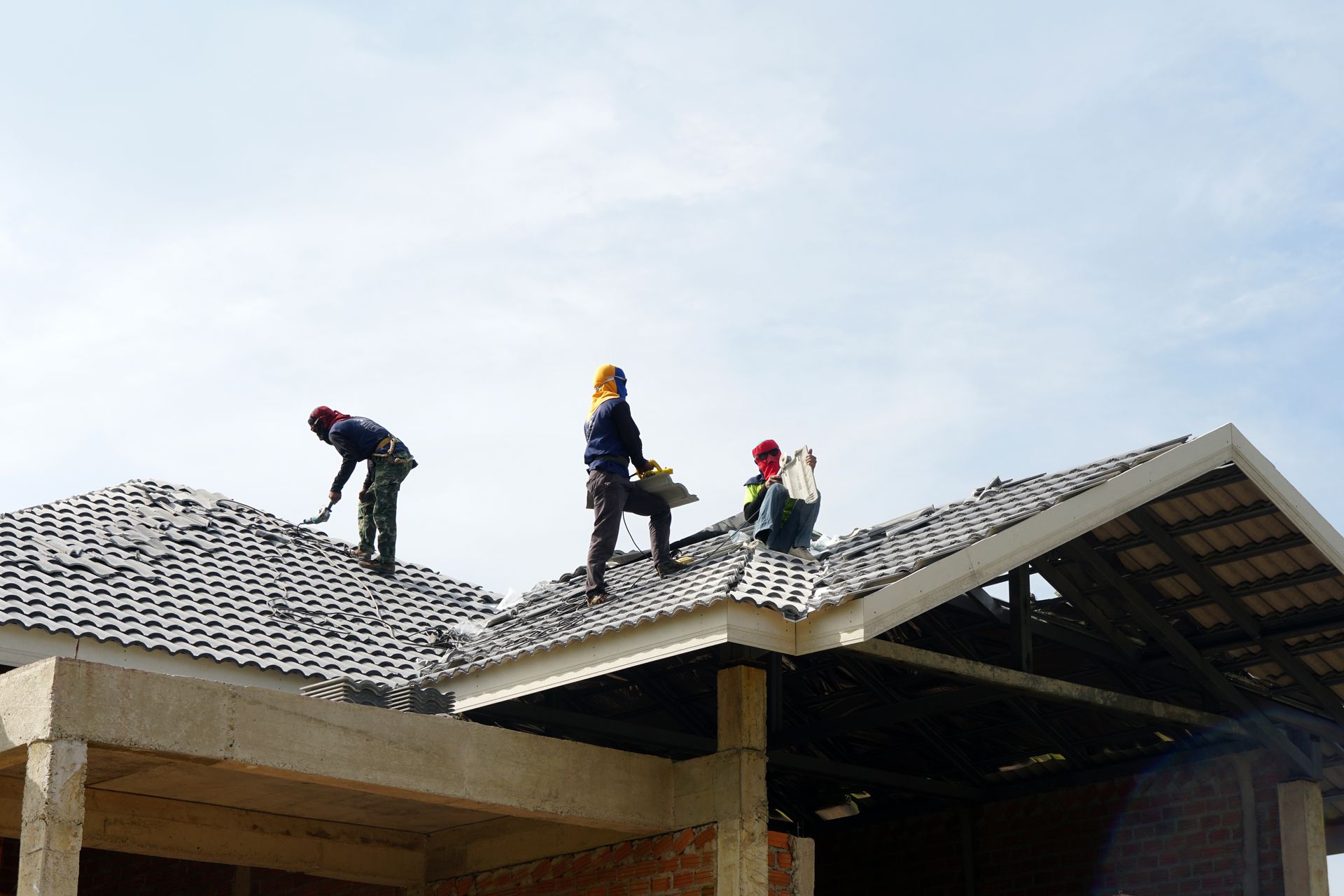
- Re-Roofing (Overlay): This involves installing a new layer of shingles directly over the existing ones. This method skips the labor-intensive tear-off process and the disposal fees associated with old materials.
- The Bottom Line: It is faster and less expensive in the short term, but you are effectively building on an old foundation.
The Columbus Factor: Why Georgia Humidity Matters
In Columbus, our climate is a major player in this debate. The combination of 90% humidity and 95°F summer days acts as a "stress test" for multi-layered systems.
1. The "Panini" Effect (Heat Retention)
A roof with two layers of shingles traps significantly more heat than a single layer. During a brutal Georgia July, a double-layer roof can reach internal temperatures that essentially "bake" the shingles from both sides. This excessive heat leads to premature degradation, causing the top layer to curl or lose its protective granules much faster than it would on a single-layer system.
2. Trapped Moisture and Rot
If your existing roof has a small, undetected leak, an overlay will simply hide the problem. Moisture trapped between two layers has nowhere to go. In our humid air, this trapped dampness becomes a breeding ground for wood rot. By the time a leak becomes visible inside your home, the damage to the underlying wooden deck may be extensive and expensive to repair.
Diagnostic Criteria: When is an Overlay an Option?
While many professional contractors in Columbus prefer a full tear-off for quality control, an overlay can be a viable option if your home meets these strict criteria:
- Single Existing Layer: Georgia building codes (IRC) generally prohibit more than two layers of roofing. If you already have two layers, a full tear-off is mandatory.
- Healthy Decking: The roof must show zero signs of sagging or soft spots. If the "bones" are weak, adding more weight is dangerous.
- No Active Leaks: If your current roof is simply aging but has never leaked, the risk of hiding existing rot is lower.
- Budget Constraints: If a full replacement is financially impossible and the roof is currently failing, an overlay can provide a 10 to 15 year temporary solution.
Real-World Examples in Columbus Neighborhoods
- MidTown (Historic Estates): If you own a home in MidTown with large overhanging oaks, the roof likely has areas where moisture lingers. A tear-off is almost always the right move here. It reveals if those shaded valleys have rotted the plywood, ensuring the historic value of the property is preserved.
- Fort Moore Area (Rental Properties): For a smaller rental property where the roof is structurally sound and the owner needs a quick, budget-friendly update to maintain weatherproofing, an overlay might be a strategic move to keep the unit dry without a major capital expenditure.
2026 Financial Impact: The "Future Tax"
The best installation is the one that offers the lowest total cost of ownership over 30 years.
- 2026 Pricing: In Georgia, the average asphalt shingle roof replacement currently sits around $15,750 ($5.43 per sq. ft.). A tear-off typically costs 25% to 40% more than an overlay due to labor and disposal fees.
- Warranty Risks: Many manufacturers will only offer a full "lifetime" warranty if the product is installed as a single-layer system. An overlay often voids these protections.
- Resale Value: During a home sale, inspectors will note a double-layer roof. Many buyers view this as "deferred maintenance" and may negotiate a price reduction to cover the future cost of removing both layers.
- Insurance: Some Georgia insurers are now refusing to cover roofs with multiple shingle layers due to the increased risk of fire and wind damage.
When to Call a Professional
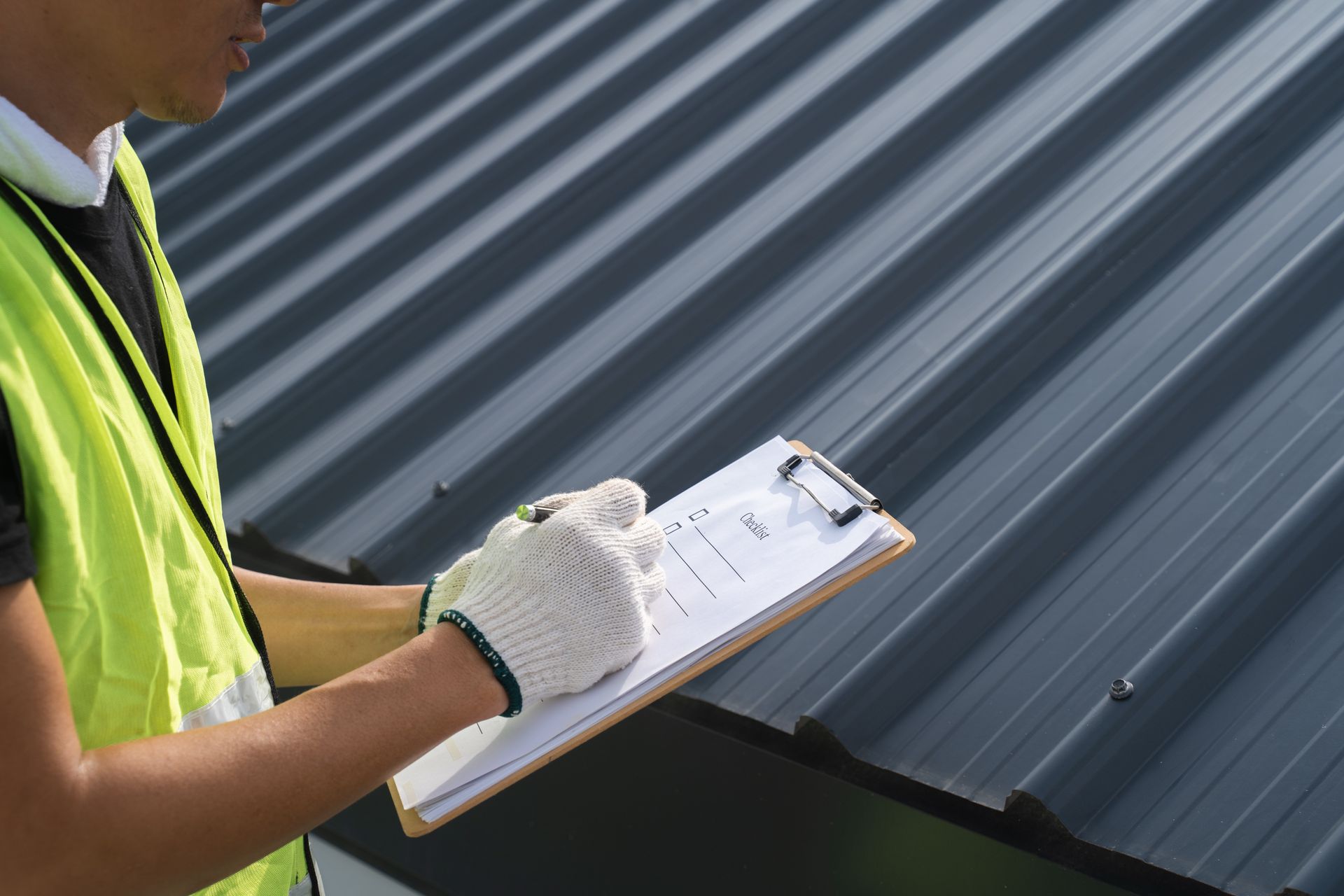
Because the health of the underlying wood deck is the deciding factor, you cannot make this decision from the ground. A professional must perform a physical inspection, often involving an attic check to look for water stains on the rafters.
Pro Tip: If you see "daylight" through the roof boards in your attic, or if your energy bills have spiked (indicating poor ventilation), a full tear-off is likely required.
Yes. Because there are two layers of material, water can travel between the layers for several feet before it actually enters the house. This makes pinpointing and repairing a leak much more difficult and expensive on an overlay roof.