Why Does My Columbus Home Have Hidden Storm Damage? (The Role of Georgia Humidity)
Why Does My Columbus Home Have Hidden Storm Damage? (The Role of Georgia Humidity)
For many homeowners in Columbus, Georgia, the morning after a severe thunderstorm or a tropical depression spin-off brings a sense of relief if no trees have fallen and no shingles are missing on the lawn. In the Chattahoochee Valley, we are accustomed to turbulent weather, but the absence of catastrophic visual cues does not mean your property escaped unscathed. In fact, some of the most destructive storm damage in our region is invisible from the driveway. Because of the extreme humidity levels inherent to the Georgia climate, even a minor weather event can trigger a slow-motion disaster inside your roofing system.
When a storm moves through Columbus, it often brings high-velocity winds that "lift" shingles without blowing them off, or hail that bruises the asphalt mat without breaking the surface. These small breaches allow moisture to enter. In a dry climate, that moisture might evaporate. In the thick, heavy air of a Georgia summer, that water becomes trapped. This trapped moisture, combined with triple-digit attic temperatures, creates an incubator for rot and mold that can hollow out your home’s structural integrity long before you see a drip on your ceiling.
In this guide, we will explore the diagnostic reality of hidden storm damage, the specific role that Georgia’s humidity plays in accelerating decay, and the immediate steps Columbus residents should take to identify "silent" failures before they become unmanageable.
The Mechanism of Invisible Failure: Wind Lift and Hail Bruising
Storm damage is often categorized by what is missing, but in Columbus, the danger lies in what has been displaced.
Wind Lift and Seal Failure
Asphalt shingles are held together by a thermal seal strip. During high-wind events, the wind can get underneath the edge of the shingle, lifting it up and breaking that adhesive bond. Once the wind dies down, the shingle often drops back into place, looking perfectly normal. However, the seal is broken. The next time it rains, capillary action pulls water under the shingle. In the humid Columbus environment, the wood underneath stays damp for days, leading to "wicking" that rots the plywood deck from the top down.
Functional Hail Damage
Hail does not always punch a hole through a roof. Often, it creates a "bruise," a circular area where the protective granules have been knocked loose, exposing the fragile bitumen underneath. From the ground, these look like tiny dark spots. However, once the sun hits these exposed areas in the intense Georgia heat, the bitumen dries out and cracks.
The Georgia Humidity Factor: Accelerating the Decay
Humidity is the silent partner of storm damage in the South. While a leak in a desert climate might dry out before doing real damage, a leak in Columbus is a persistent biological threat.
The "Vapor Drive" Effect
Georgia humidity creates high vapor pressure outside the home. When a storm compromises your roof’s outer layer, moisture is pushed into the cooler, lower-pressure environment of your attic. If your attic ventilation is not perfect (a common issue in older Columbus homes near MidTown or Lake Bottom), this moisture settles into the insulation and the rafters. Because the air is already saturated, there is no natural evaporation. The wood remains at a consistent 20% to 30% moisture content, which is the "danger zone" for wood-destroying fungi.
Mold and Mildew Proliferation
In the humid Chattahoochee Valley, mold spores are everywhere. They only need a consistent water source and a food source like your plywood or drywall to thrive. A storm that causes "minor" hidden damage can lead to a massive mold outbreak in your attic within just 48 to 72 hours. By the time you smell a musty odor or see a stain on the ceiling, the mold may have already spread through your HVAC ductwork, impacting your family's indoor air quality.
Real-World Examples for Columbus Neighborhoods
Consider a home in a newer subdivision near North Columbus or Green Island Hills. These homes are built with tight envelopes for energy efficiency. If a hail storm bruises the roof of one of these homes, the lack of airflow in the attic can actually trap the moisture that seeps through the damaged shingles. Without a professional Storm Damage Restoration and Repair team to identify these bruises early, the homeowner might not realize their new roof is failing until the structural decking begins to sag.
In contrast, a historic home in the Columbus Historic District might have a steep roof that sheds water well, but its old-growth wood is highly susceptible to the wicking effect of broken shingle seals. If a windstorm lifts the shingles on a historic gable, the humidity can rot the original rafters, which are far more expensive to replace than modern materials.
Cost Considerations and Insurance Timelines
The financial risk of hidden storm damage in 2026 is tied to your insurance policy’s "date of loss."
- The One-Year Window: Most insurance companies in Georgia require you to file a storm damage claim within one year of the event. If you wait until a leak becomes visible two years later, the insurance company can deny the claim, citing negligent maintenance rather than storm damage.
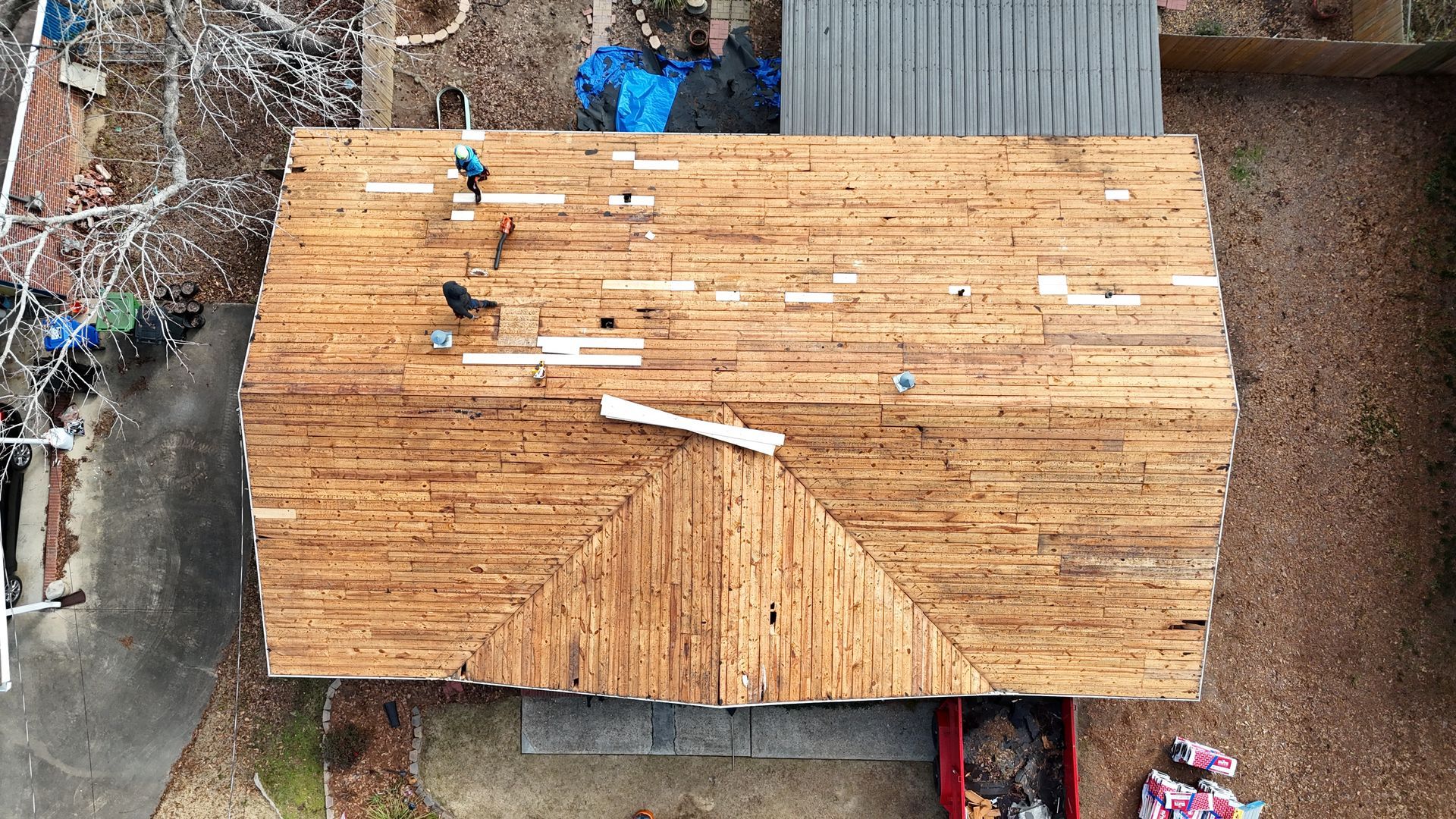
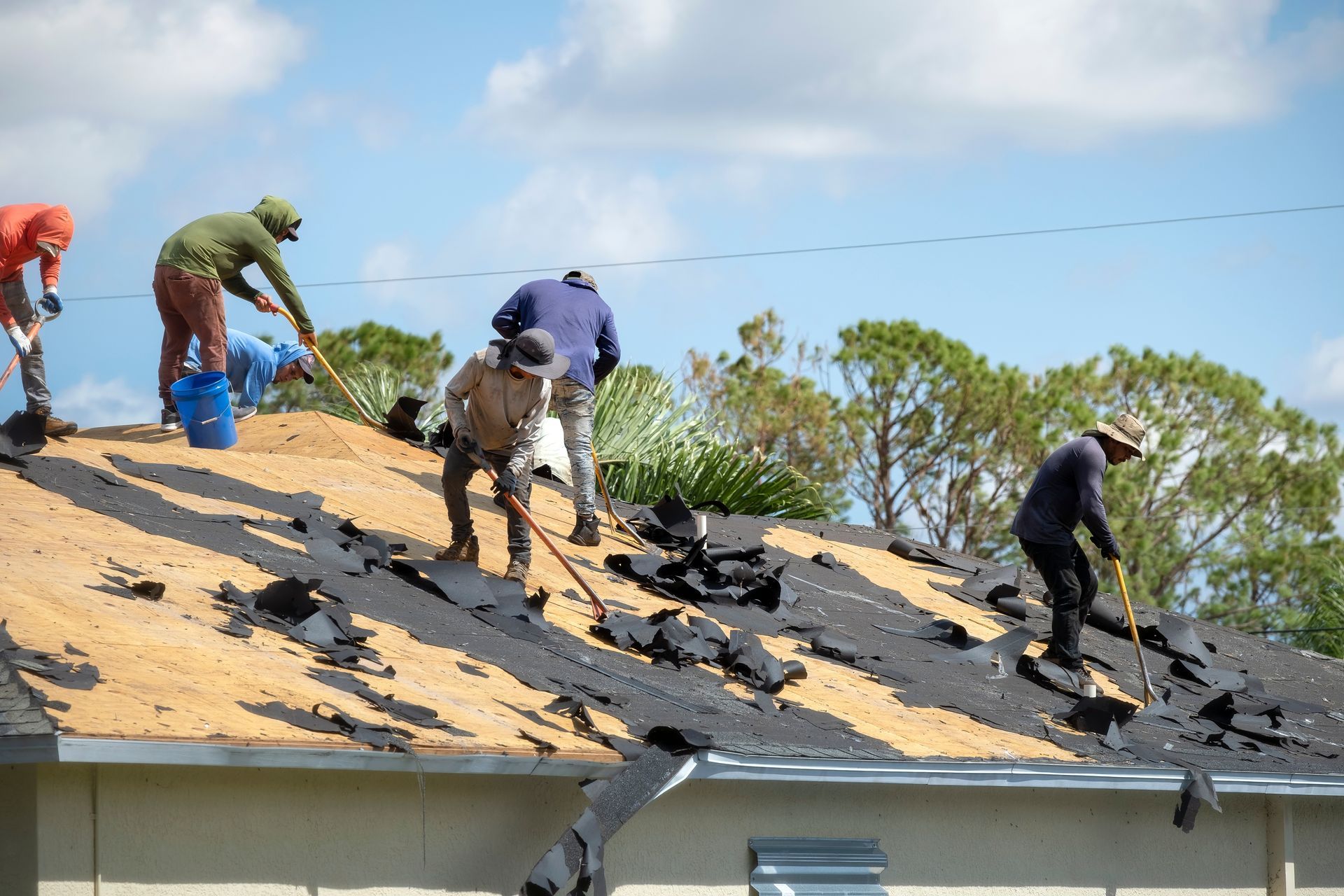
- Restoration vs. Replacement: Identifying hidden damage early allows for a restoration approach where specific sections are repaired. If left to rot in the humidity, you will eventually face a full replacement, which often includes the high cost of replacing the entire wooden roof deck.
- Secondary Damage Costs: The cost of fixing a roof is one thing; the cost of mold remediation, insulation replacement, and structural wood repair is another entirely. Addressing the roof immediately after a storm is the most effective way to avoid these secondary expenses.
When to Call a Professional
Because hidden damage is hard to see, you should never trust a ground-level inspection alone. If the storm was severe enough to warrant it, we provide Emergency Roof Tarping and Mitigation to stop leaks immediately while the diagnostic process begins. You should seek a professional consultation if:
- A storm with winds exceeding 50 mph has passed through Columbus.
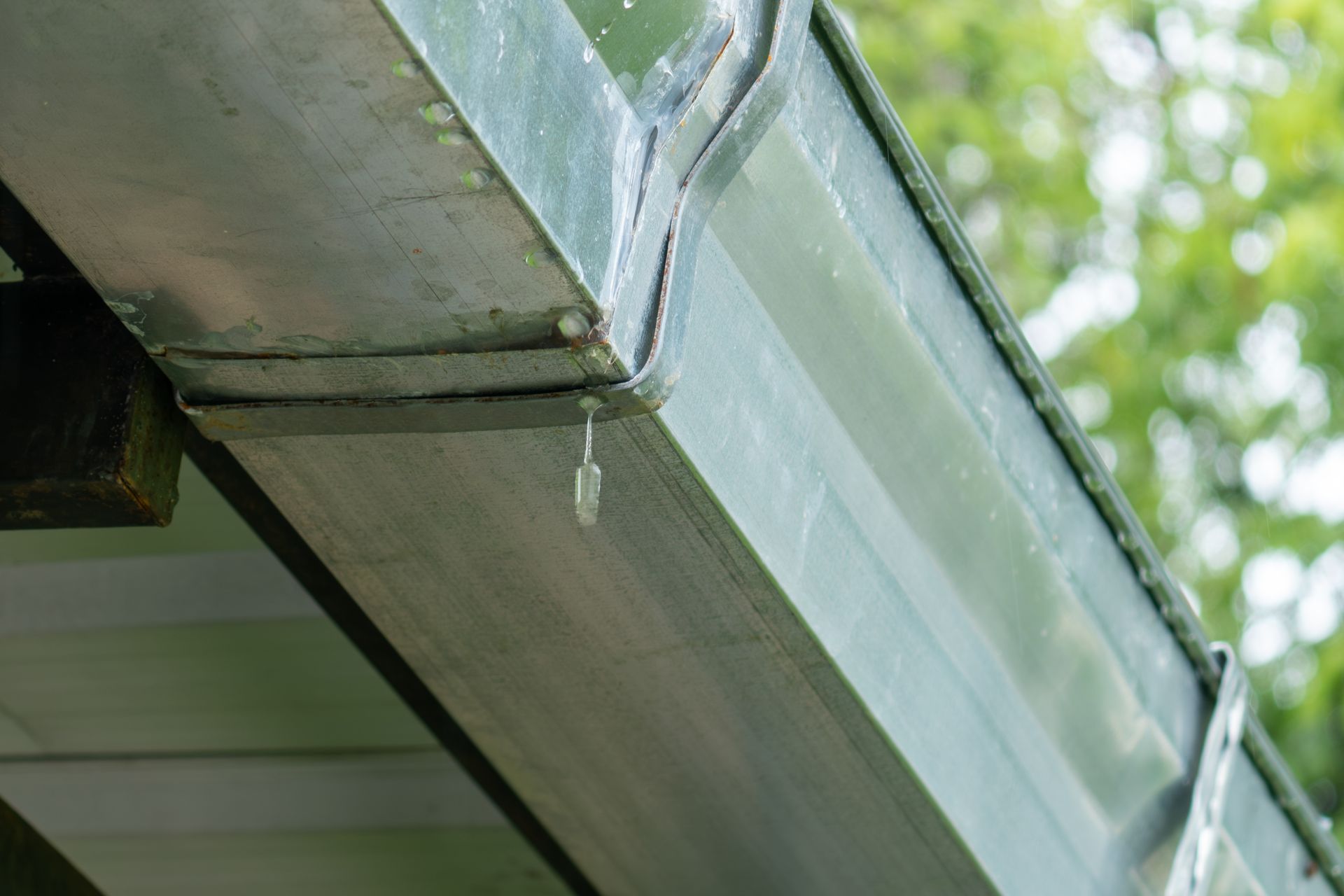
- You see any amount of shingle granules in your gutters or at the end of your downspouts.
- You notice a new musty smell in your upper floors or attic.
- Your neighbors are having their roofs replaced following a recent weather event.
In Columbus, storm damage is rarely a "one-and-done" event. It is often the start of a slow decline fueled by the relentless Georgia humidity. Protecting your home requires a diagnostic mindset and a proactive approach to moisture management. Request a Storm Damage Inspection in Columbus today to ensure your property remains a safe, dry asset for your family.
Quick Answers for Columbus Homeowners (FAQs)
How long does it take for mold to grow after a roof leak in Georgia?
In the high humidity of Columbus, mold can begin to grow on organic surfaces within 24 to 48 hours of moisture exposure. This is why immediate drying is critical.
Can I file an insurance claim if I don't see any missing shingles?
Yes. Insurance covers functional damage, which includes broken seals and hail bruising that compromise the roof's lifespan, even if no shingles are missing.
Does humidity affect how fast my roof rots?
Absolutely. High humidity prevents wood from drying out. When wood stays wet for extended periods, it undergoes wet rot, where fungi consume the wood fibers.
Will my insurance rates go up if I file a storm damage claim?
In Georgia, insurance companies generally cannot raise your individual rates for a "claim of nature" like a storm. Rates are typically adjusted by zip code based on the overall risk of the area.
How do I know if my attic has high humidity?
Signs include frosting or dark spots on the rafters, matted insulation, or a strong musty odor.