How Are Synthetic Tile Roofs Made?
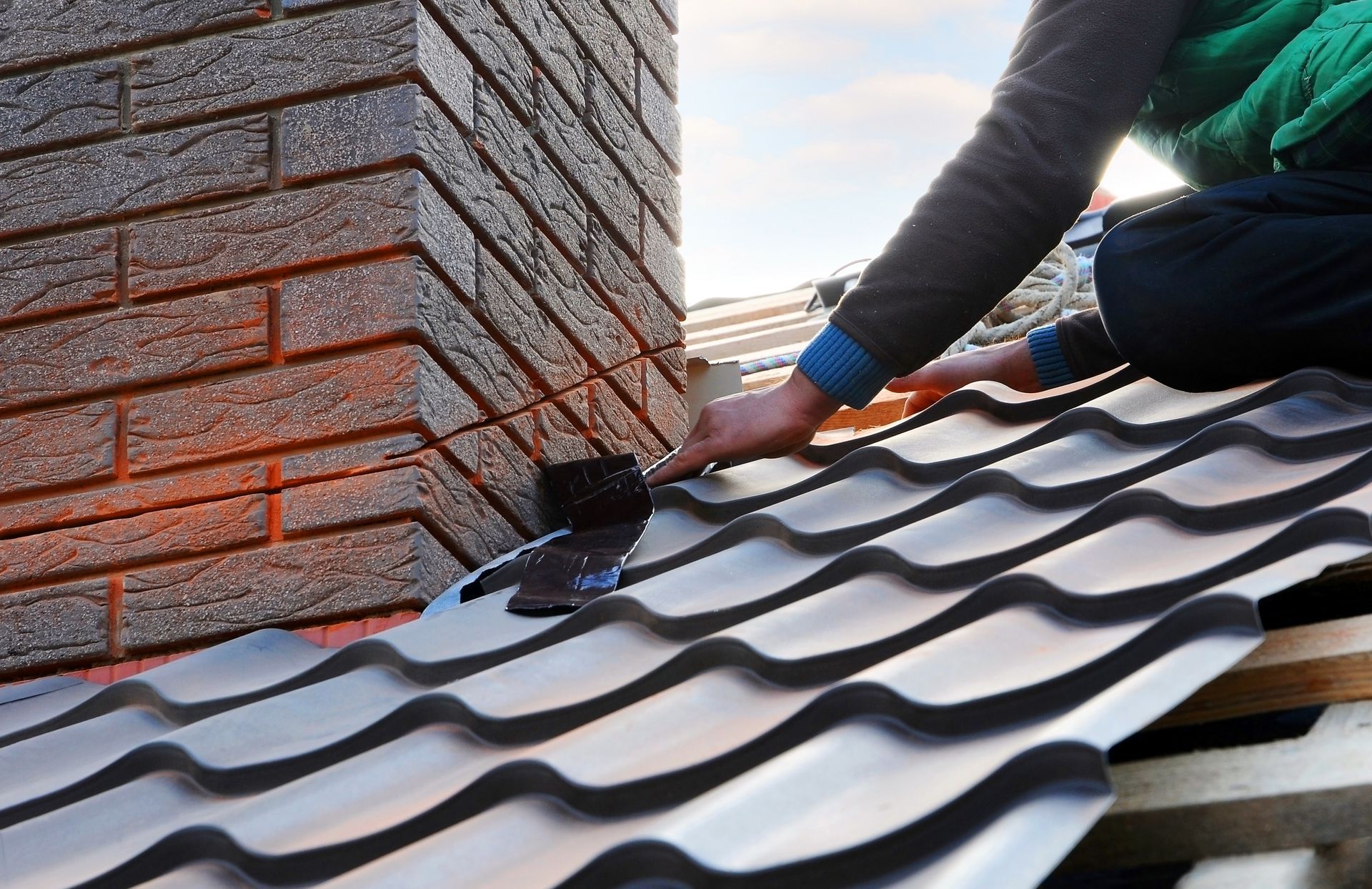
Are you exploring long-lasting and low-maintenance roofing options for your home or business? Synthetic tile roofs have gained popularity as a versatile, durable, and visually appealing alternative to traditional materials. But have you ever wondered how synthetic tile roofs are made or what makes them such a reliable choice?
At Bald Eagle Roofs and Exteriors LLC, we specialize in installing premium roofing systems, including synthetic tiles that combine innovative design with unmatched durability. Let’s delve into the production process and uncover the secrets behind their remarkable strength and longevity.
Why Choose Synthetic Tile Roofs?
Traditional roofing materials like clay tiles, wood shakes and asphalt shingles have long been popular. However, they come with challenges: Clay tiles are heavy and prone to cracking. Wood shakes require frequent maintenance and can deteriorate over time. Asphalt shingles are economical but often lack long-term durability. Synthetic tiles address these issues by offering a roofing solution that mimics the look of traditional materials while outperforming them in resilience, maintenance and sustainability.
wHAT DOES THE MANUFACTURING PROCESS LOOK LIKE?
The manufacturing process for synthetic tile roofs involves a blend of advanced material science and state-of-the-art engineering. These tiles are meticulously crafted to replicate the appearance of natural materials while incorporating features that enhance durability and performance.
Raw Materials Selection
The process begins with selecting high-quality polymers and composite materials. These materials are specifically chosen for their ability to withstand harsh environmental conditions. Key features of these materials include: UV resistance to prevent fading from prolonged sun exposure Impact strength to resist hail, debris and other potential damages. Additionally, these materials are lightweight, which makes installation easier and reduces structural stress.
Mixing and Compounding
The raw materials are blended with stabilizers, pigments and other additives to create a polymer compound. This mixture ensures:
- Color consistency (pigments are infused directly into the material to prevent surface wear)
- Flexibility (reduces the risk of cracks during temperature fluctuations)
Molding and Shaping
Once the compound is ready, it undergoes precision molding using advanced equipment. During this stage:
- Tiles are formed into shapes that mimic clay, slate or wood textures
- Intricate surface details are added for a natural appearance
- Edges are smoothed for seamless installation
Curing and Cooling
After molding, the tiles are cured to solidify their structure. Controlled cooling ensures they maintain their shape and achieve optimal strength.
Quality Control and Testing
Every batch of synthetic tiles undergoes rigorous testing to meet industry standards. Tests evaluate:
- Impact resistance for hail and debris
- Water resistance to ensure no absorption or leakage
Temperature performance to handle extreme heat and cold
What Makes Synthetic Tiles Durable
The durability of synthetic tiles lies in their thoughtful engineering and material composition. Here’s why they outperform traditional options:
- UV and Weather Resistance: Synthetic tiles are infused with UV stabilizers, preventing sun exposure from degrading their color or structure. They are also designed to handle extreme weather conditions, including heavy rain, intense heat and sub-zero temperatures.
- Impact Strength: The flexible nature of the polymers used in synthetic tiles allows them to absorb impacts without cracking. This makes them ideal for regions prone to hailstorms or falling debris.
- Lightweight Yet Strong: Unlike clay or concrete tiles, synthetic tiles are lightweight, which reduces strain on the roof’s structure while still offering exceptional strength.
- Longevity with Low Maintenance: Synthetic tiles resist mold, mildew, and rot, significantly reducing the need for repairs or replacements. With proper installation, these roofs can last 50 years or more.
The Environmental Advantage of Synthetic Tiles
Synthetic tiles are very durable and also eco-friendly. Many manufacturers incorporate recycled materials into their production process, reducing waste and promoting sustainability. Additionally, their long lifespan means fewer replacements and less material waste over time.
Cost-Effectiveness: A Long-Term Investment
While synthetic tiles may have a higher upfront cost than asphalt shingles, their longevity and durability make them a cost-effective roofing choice. Some benefits include:
- Lower repair and replacement costs due to their resilience
- Energy efficiency, as their design often helps reduce heating and cooling expenses
- Increased property value with a roof that offers lasting beauty and performance
Are Synthetic Tiles Right for Your Roof?
Synthetic tile roofs are an excellent choice for homeowners and business owners seeking a balance of beauty, durability and sustainability. However, every property is unique, and the best roofing solution depends on your specific needs and budget.
Key Questions to Consider
Is your current roof prone to damage from weather or impact? Are you looking for a low-maintenance alternative to natural materials? Do you want a roof that combines longevity with aesthetic appeal?
Need a roofing professional? Contact us!
At Bald Eagle Roofs and Exteriors, we understand that proper installation is the key to unlocking the full potential of synthetic tiles. That's why our certified professionals are trained to handle synthetic tiles for flawless installation, ensuring a secure and long-lasting roof. We proudly serve serves communities across the Alabama-Georgia border including Phenix City, Opelika and Columbus. Give us a call at 706-803-2253 to schedule a consultation. For more information about our other services including gutter and siding installation, visit our website by clicking the link
here.