

Choosing a Shingle Color for Your Peachtree City Home: Heat, Curb Appeal, and Resale Value
The color sample looked perfect on the counter, but the roof has to work with July sun, pine pollen and your brick.
Schedule a free inspection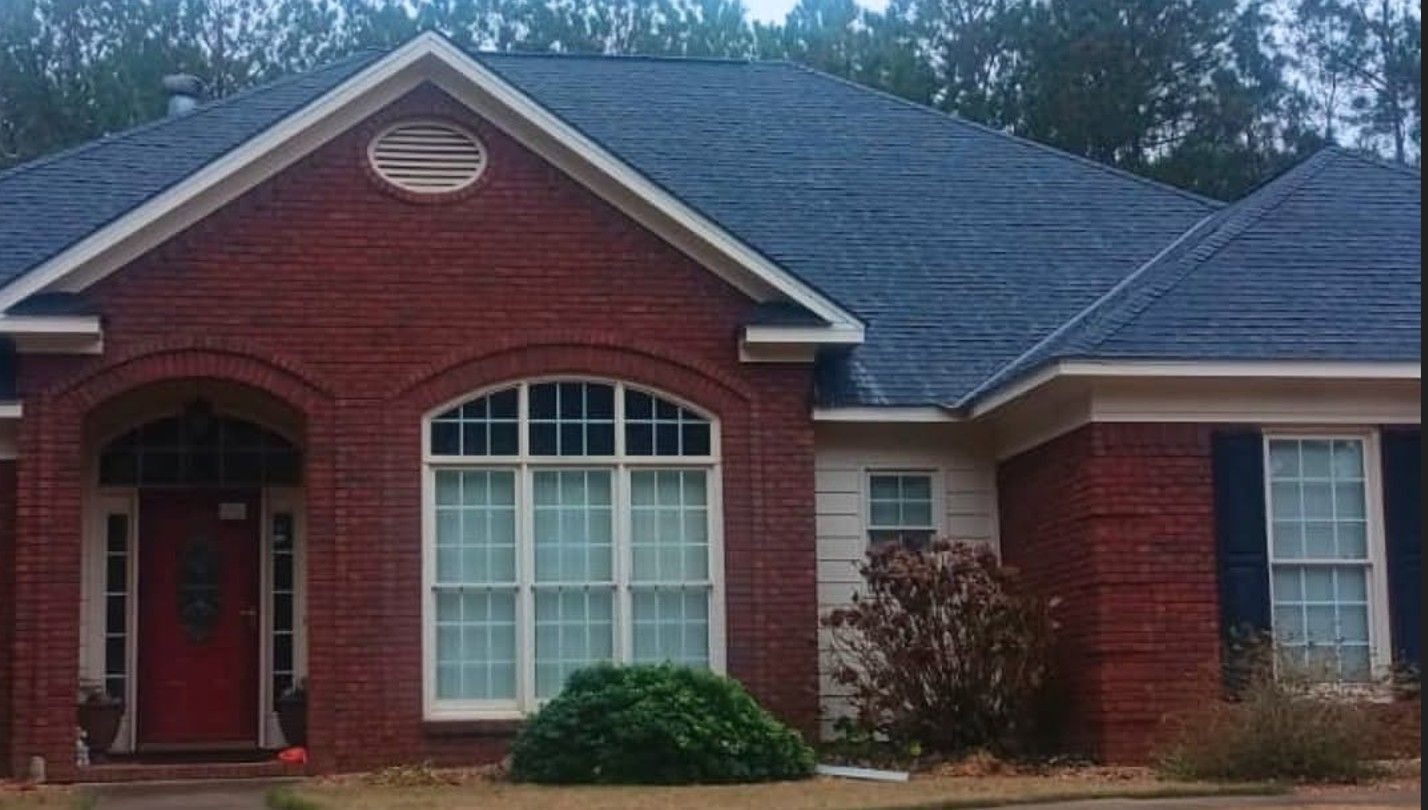
For most Peachtree City homes, a mid-tone shingle such as a weathered wood, a driftwood or a soft gray blend is the safest choice. It runs cooler than black, hides streaks and pollen better than very light colors, and tends to fit neighborhood color rules.
Darker shingles absorb more sun and run hotter. Lighter shingles reflect more of it but show dirt and algae sooner. Between those two, the right pick depends on how much shade your roof gets, what the brick and siding look like, and how long you plan to stay.
Color is one of the few roof decisions you'll look at every day for years, and it is also one of the easiest to get wrong from a two-inch sample.
In this guide
Light vs. Dark Shingles in Georgia Heat
Light shingles stay cooler on the surface than dark ones under the same sun, which takes some load off the attic. On a well-vented, well-insulated house the effect on your cooling bill is modest. On an older home with a hot attic and ductwork running through it, the difference is easier to feel.
What heat does to the shingles themselves
Heat ages asphalt. A dark roof on an unshaded south or west slope runs hotter through July and August than the same roof in a lighter color, and over many summers that heat dries the asphalt out sooner. Good attic ventilation narrows the gap a lot, which is why the vents deserve as much attention as the color chart.
Streaks, pollen and fading
Every spring, pine pollen dusts roofs a yellow-green for a few weeks, and it shows most on dark shingles. Algae streaks are the opposite problem: black lines that stand out on pale roofs. Blends with several granule shades mixed together hide both, and they tend to look even as the roof weathers.
The three color families side by side
- Dark (charcoal, black): crisp, modern look with strong contrast against white trim. Runs hottest and shows pollen and granule loss.
- Mid-tone (weathered wood, driftwood, slate blends): hides dirt, streaks and pollen well and works with most brick and siding. Sits in the middle on heat.
- Light (light gray, tan): coolest surface. Shows algae streaks sooner and can look washed out on a tall two-story house.
Heavy shade shrinks the heat difference and makes the streak question more important. Full sun on a big, open slope flips that around, and heat becomes the bigger factor.
Which Color Helps Curb Appeal and Resale?
The color that helps resale most is the one that looks like it belongs with the house and the street. Buyers rarely choose a home for its roof color, but a roof that clashes with the brick or looks out of place on the block can make a house feel dated.
Start with what you can't change
Brick, stone and a freshly painted exterior set the palette. Red or orange brick usually pairs well with browns, weathered woods and warm blends. White or gray siding gives you more freedom, from charcoal to a cool slate blend. If new siding is also on your list, choose the roof and siding together so they don't fight each other.
Check the neighborhood rules first
Many subdivisions keep an approved color list or require an architectural review before a roof replacement. Get approval in writing before materials are ordered. A color that has to come back off the roof is the most expensive mistake on this list.
Test colors the right way
Small chips under kitchen lights mislead. Ask for full-size sample boards, prop them against the house at roughly the roof's angle, and look at them in morning and late-afternoon light. Better still, drive past finished roofs in the colors you're considering. A blend that looks brown up close often reads gray from the street.
If you plan to sell in a few years
Lean neutral. A clean mid-tone roof appeals to the widest range of buyers, and a recent roof replacement is a selling point by itself. Save the bold color for a house you plan to keep.
Picking a Color With Bald Eagle Roofs & Exteriors
Bald Eagle Roofs & Exteriors lays out roof estimates as good, better and best options. Color lineups can differ from one shingle line to the next, so seeing the tiers side by side tells you early whether the color you love comes in the tier you want.
Because the company also works on siding, gutters and fascia, the roof color can be planned along with the trim and siding instead of on its own. That helps when the gutters and fascia are being replaced at the same time and need to look right against the new shingles.
Sun, Shade and Pollen Around Town
Peachtree City summers are long, hot and humid, and a roof in full sun takes the brunt of it from late spring into early fall. Homes on open lots or in newer sections with young trees get the most heat, which strengthens the case for a lighter or mid-tone shingle there.
Older neighborhoods under mature pines and hardwoods are a different story. Shade cools the roof but keeps it damp, so algae streaks and moss become the bigger worry, and pollen season coats everything. A blended color that hides streaks and yellow dust usually looks better year-round under trees.
Brick-front ranches, painted siding and homes overlooking the water all show up across town, sometimes on the same street. Matching the roof to the house in front of you matters more than following whatever color is popular this year.
Seeing the Colors on Your Own Roof
Narrow your list to two or three colors, then have them priced and checked against your house before deciding. Bald Eagle Roofs & Exteriors is a good fit for Peachtree City homeowners who want those choices laid out at each price tier. Call (706) 803-2253 or ask for a free estimate, or get a ballpark first with the instant online estimate.
Shingle Color Questions
Does a black roof really make a house hotter?
It makes the roof surface hotter, and some of that heat reaches the attic. How much you feel indoors depends on attic ventilation, insulation and whether ductwork runs through the attic. On a well-vented house the difference is modest. On an older home with a hot attic, a lighter shingle can noticeably ease the load on the air conditioner.
Which roof colors hide algae streaks best?
Blended colors with several granule shades mixed together hide streaks best, especially browns, weathered woods and mottled grays. Solid light colors show streaks soonest. Algae-resistant granules help too, but color still affects how noticeable any staining is, particularly on north-facing slopes under trees where the roof stays damp the longest.
Can I change my roof color from what is there now?
Yes. A full replacement removes the old shingles, so you can pick any color the shingle line offers. The main limits are your homeowners association's rules and how the new color works with the brick, siding and trim you aren't changing. If the gutters and fascia are staying, make sure they still look right against the new shingles.
Do I need HOA approval for a shingle color in Peachtree City?
Many neighborhoods require it, and the review often covers both color and shingle style. Read your association's architectural guidelines or ask the management company before you sign a roofing contract. Approval can take time, so start early, and keep the written approval with your roofing paperwork in case questions come up later.
Will a lighter roof fade or look dirty faster?
Light shingles don't necessarily fade faster, but dirt, pollen and algae streaks show on them sooner. Dark shingles hide streaks better and show pollen more. Mid-tone blends sit in between and generally keep an even look the longest. Granule loss from age or hail shows on any color, usually as darker patches where the asphalt is exposed.
Does roof color affect what an appraiser thinks the house is worth?
Appraisers focus more on a roof's condition and age than its color. A newer roof in good shape helps value whatever shade it is. Color matters more to buyers walking up the driveway, where a roof that suits the house supports a good first impression and a mismatched one can make the place look tired.
Narrow It Down to Two Colors
Bring a photo of your brick or siding, and we'll help you weigh the shingle colors that suit it at each price tier. Call (706) 803-2253 or contact us online.
Schedule a free inspection