Why Your Auburn Cedar Shake Roof is Rotting: Warning Signs of Urgent Failure
Why Your Auburn Cedar Shake Roof is Rotting: Warning Signs of Urgent Failure
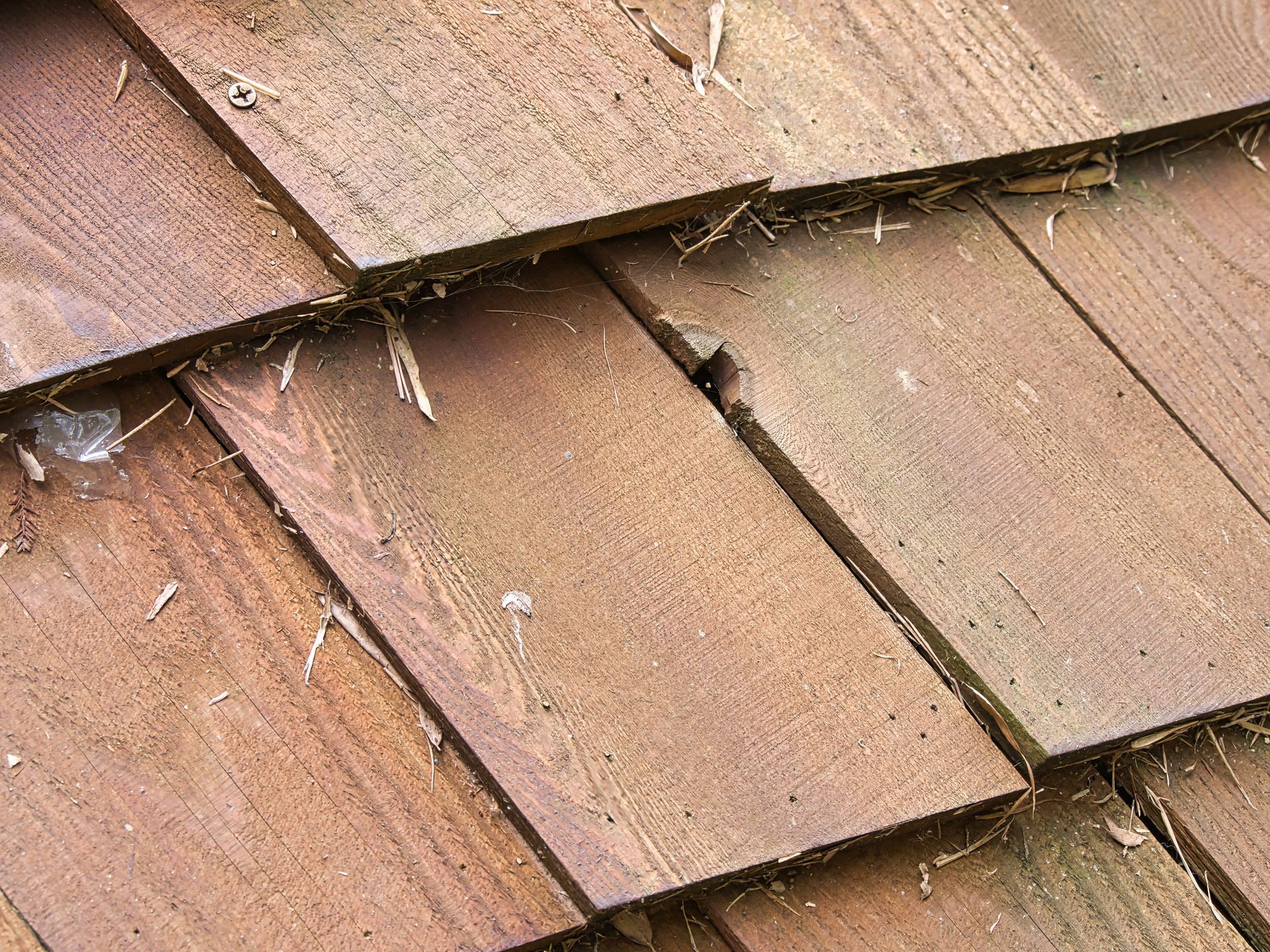
The architectural beauty of a cedar shake roof is a hallmark of many prestigious homes across the Auburn landscape. Its natural texture and silver-gray patina offer a level of character that synthetic materials simply cannot replicate. However, for many homeowners in the Plains, that beauty can be cut short by the silent progression of wood rot. In the humid, subtropical climate of East Alabama, cedar is under constant biological attack.
If you have noticed dark patches, softening wood, or a change in the silhouette of your roofline, your home may be facing an urgent failure that threatens the structural integrity of the entire building. Identifying the warning signs early can be the difference between a targeted restoration and a total, high-cost roof replacement.
The Anatomy of Decay: Why Wood Fails in East Alabama
Wood rot is not just a sign of old age: it is a biological process. For rot to occur, four elements must be present: moisture, oxygen, favorable temperatures, and a food source. In Auburn, your cedar shakes provide the food source, while the climate provides the rest in abundance.
The most common culprit in our region is brown rot or soft rot. These fungi secrete enzymes that break down the cellulose and lignin in the wood fibers. As the fibers dissolve, the wood loses its strength. In a roofing context, this means the shakes can no longer shed water or hold fasteners. Once a shake becomes saturated and begins to rot, it acts like a sponge, holding moisture against the roof deck and the felt underlayment, eventually leading to internal leaks and mold growth inside the attic.
The Impact of Auburn’s Tree Canopy
If your home is surrounded by mature oaks or pines that provide heavy shade, your roof may never fully dry out between rain events. In neighborhoods with heavy tree cover, such as those near Chewacla State Park or the historic district, pine needles and leaves are a constant presence. When this debris collects in the keyways (the gaps between shakes), it creates a dam. This dam traps water and organic matter, creating a compost-like environment directly on top of your roofing material. This is where most rot begins, often hidden in the gaps where you cannot see it from the ground.
Diagnostic Warning Signs of Urgent Failure
Identifying rot from the ground can be difficult, as the silvering of the wood can mask the early stages of decay. However, there are several diagnostic signs that indicate your roof has transitioned from aging to failing:
- Fuzzy or Slimy Surfaces: If the surface of your shakes appears fuzzy or has a dark, slimy coating, this is a sign of advanced fungal activity.
- Widespread Dark Discoloration: This usually indicates that the wood fibers are being consumed by mold and mildew. This growth holds moisture against the wood, ensuring the rot continues even during dry spells.
- Distorted Silhouettes: As wood fibers break down, the shake loses its dimensional stability. If you see edges curling upward or the middle of the shakes cupping like a spoon, the internal structure of the wood is compromised.
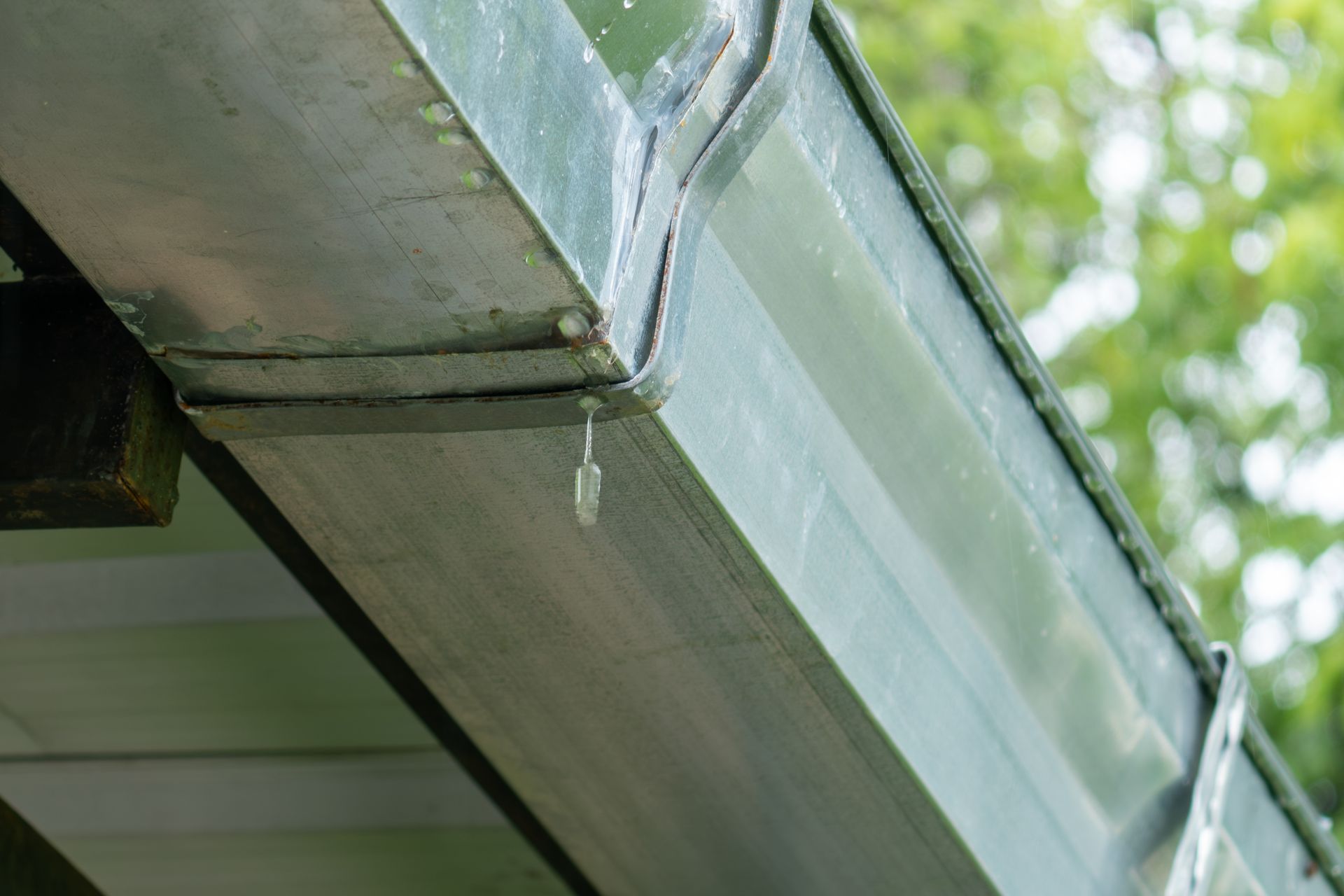
- Fragmentation in Gutters: Healthy cedar can withstand significant impact, but rotted cedar becomes brittle. If you find small chunks of wood in your gutters after a heavy rain, your shakes are fragmenting and need Cedar Shake Roof Repair and Restoration immediately.
- Soft or Spongy Texture: During a professional inspection, a technician might apply light pressure to a suspect shake. If the wood feels soft or spongy, the heartwood has failed.
Real-World Examples in Auburn Neighborhoods
Consider a home in a shaded subdivision like Grove Hill. Because of the dense canopy, the northern-facing slopes of the roof receive very little direct sunlight. Over five years, the accumulation of pine needles in the valleys and keyways goes uncleaned. Eventually, the homeowner notices a small water stain on the ceiling of a second-story bedroom.
Upon inspection, it is discovered that while the southern slope looks relatively healthy, the northern slope is almost entirely consumed by soft rot. Because the shakes remained damp for weeks at a time, the decay traveled through the wood and into the plywood decking. What could have been prevented with Professional Roof Cleaning and Debris Removal has now become a major structural repair.
In contrast, a home in a more open area of Auburn might see its cedar last significantly longer because the wind and sun allow for proper evaporation. This illustrates that the life of a cedar roof in Alabama is determined as much by its immediate surroundings as it is by the age of the wood.
The Financial Impact of Delayed Action
If rot is allowed to reach the roof deck, the cost triples. You are no longer just replacing wood shakes; you are replacing the structural skin of your home. Once water enters the attic, you face costs for insulation replacement, drywall repair, and potential mold remediation, which can exceed the cost of the roof itself.
In 2026, the value of a cedar roof is tied strictly to its integrity. A rotted roof is a liability during a home inspection and can significantly lower the resale value of a premium property. Because cedar requires specialized knowledge, you should not rely on a general handyman to assess wood rot. Assessing the urgent failure of a cedar system requires an understanding of wood species, grading, and the specific chemical treatments used to arrest decay.
You should seek a professional consultation if your cedar roof is more than 15 years old, or if you are unsure <u>[How to Choose the Right Grade of Cedar Shakes for Alabama]</u> to ensure your home is properly protected.
Protecting Your Auburn Investment
A cedar shake roof is a significant investment in your home’s aesthetic and value. While the threat of rot in Auburn’s humid climate is real, it is not inevitable. By staying vigilant and recognizing the warning signs of fungal decay, you can take proactive steps to intervene before the damage becomes irreversible.
Schedule a Cedar Roof Diagnostic in Auburn today to ensure your home remains shielded by a material that is as strong as it is beautiful.
Quick Answers for Auburn Homeowners (FAQs)
Why does my cedar roof look black? The black appearance is usually caused by mold, mildew, and a fungus called Gloeocapsa Magma. In Auburn’s humidity, these organisms thrive on the organic material. While it starts as an aesthetic issue, it eventually leads to wood rot if the moisture is not managed.
Can a rotted cedar roof be saved? It depends on the extent of the decay. If the rot is limited to the surface of the shakes and has not reached the roof deck, a professional restoration can often save the roof and extend its life.
How often should I clean debris off my cedar roof in Auburn? We recommend at least twice a year: specifically after the heavy pollen season in the spring and after the leaves fall in autumn.
Does insurance cover wood rot on a cedar roof? Generally, no. Insurance typically covers sudden and accidental damage, such as hail or wind. Wood rot is considered a maintenance issue that occurs over time.
What is the best way to prevent rot on new cedar shakes? The most effective prevention is using Blue Label 100 percent edge grain heartwood and ensuring the shakes are factory-treated with CCA.
Is moss growth a sign that my roof is rotting? Moss acts like a thick carpet that holds water against the shakes. This constant moisture is what allows rot-inducing fungi to move in.
Why does my cedar roof look black?
The black appearance is usually caused by mold, mildew, and a fungus called Gloeocapsa Magma. In Auburn’s humidity, these organisms thrive on the organic material. While it starts as an aesthetic issue, it eventually leads to wood rot if the moisture is not managed.
Can a rotted cedar roof be saved?
It depends on the extent of the decay. If the rot is limited to the surface of the shakes and has not reached the roof deck, a professional restoration can often save the roof and extend its life.
How often should I clean debris off my cedar roof in Auburn?
We recommend at least twice a year: specifically after the heavy pollen season in the spring and after the leaves fall in autumn.
Does insurance cover wood rot on a cedar roof?
Generally, no. Insurance typically covers sudden and accidental damage, such as hail or wind. Wood rot is considered a maintenance issue that occurs over time.
What is the best way to prevent rot on new cedar shakes?
The most effective prevention is using Blue Label 100 percent edge grain heartwood and ensuring the shakes are factory-treated with CCA.